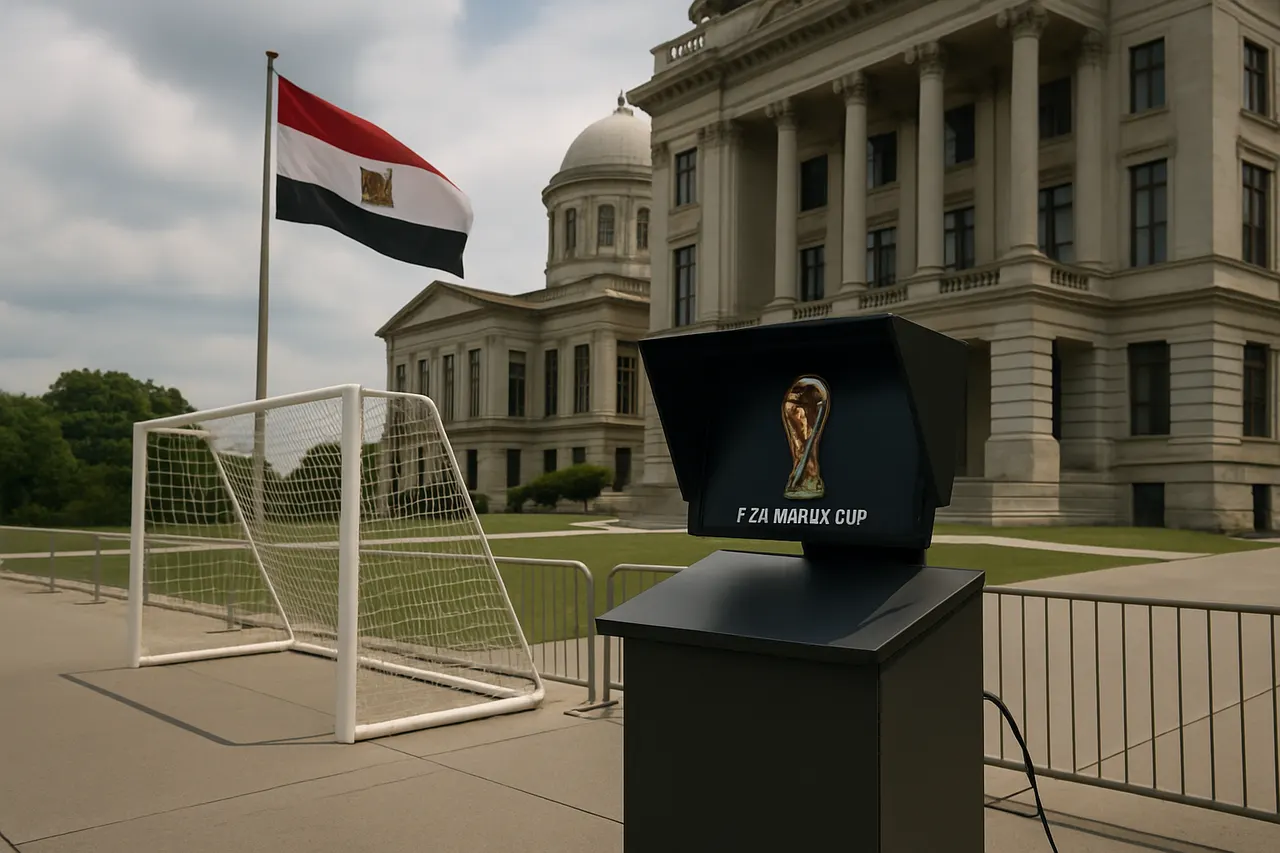
The World Cup has been engulfed in controversy following Argentina’s narrow 3-2 win over Egypt in the round-of-16 match held in Atlanta. The match featured an unusually late VAR decision that led to Egypt’s second goal being rescinded, a move that significantly influenced the outcome and sparked widespread debate about the legitimacy of officiating at the tournament.
This controversy emerged shortly after a separate dispute involving US President Donald Trump and FIFA chief Gianni Infantino, where Trump requested FIFA to overturn a one-game suspension for US striker Folarin Balogun. FIFA complied, allowing Balogun to play in a match that Belgium ultimately won 4-1, eliminating the hosts.
Egypt’s manager accused FIFA of bias, suggesting the organization aimed to keep the defending champions, Argentina, in the competition. Simon Chadwick, a professor of Afro-Eurasian sport at Emlyon Business School in Shanghai, told Al Jazeera, “After the Balogun affair, who knows which decisions are legitimate and can be trusted, and which can’t?”
While many football experts and social media commentators expressed outrage—Portuguese football icon Jose Mourinho reportedly called the match “daylight robbery”—some analysts considered the VAR call a closer call.
The controversy underscores ongoing tensions around fairness and political influence in the World Cup, raising questions about the integrity of decisions that shape the tournament’s progression.
Loading comments.