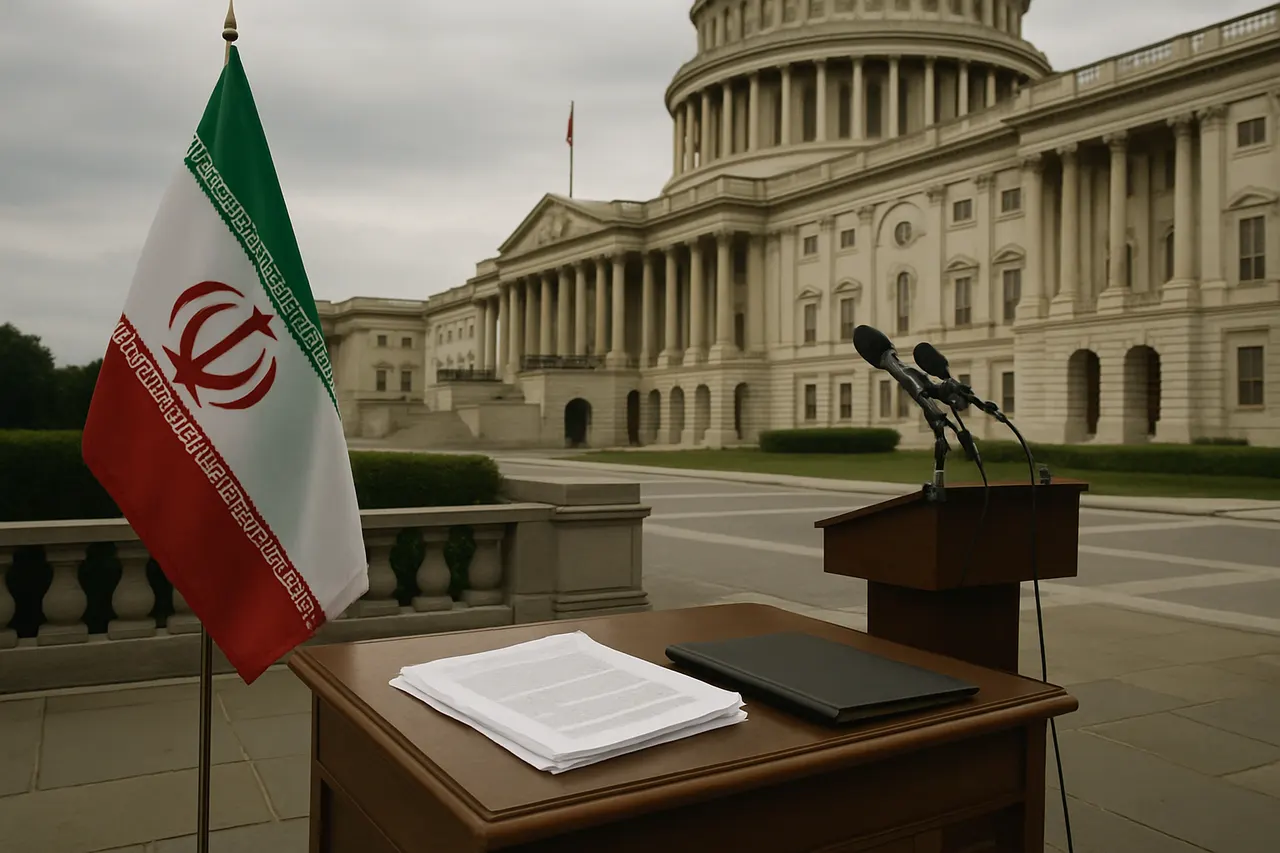
President Trump’s peace deal with Iran is faltering, creating significant challenges for Congress’s legislative agenda. Republican leaders face new obstacles in passing a defense authorization bill and an emergency supplemental defense spending package amid threats of renewed U.S. strikes on Iran.
Trump managed to reduce Republican defections on the war after a heated meeting with GOP senators before the July 4 recess. However, more pushback from Republican lawmakers is expected if Trump abandons the memorandum of understanding (MOU) with Iran.
Democrats are considering additional votes on Iran war powers resolutions aimed at directing Trump to withdraw U.S. forces from Iran, though their strategy for the July work period remains undecided. A Democratic strategist noted that the months leading up to the general election will be dominated by partisan battles over the war, which polls indicate is highly unpopular with voters. The strategist added, “The rest of the year is going to be spent on these issues that unite the Democratic Party and divide the Republican Party. It’s going to make John Thune’s life very difficult,” referring to the Senate majority leader from South Dakota.
Votes to limit Trump’s authority as commander-in-chief could gain more Republican support, as some GOP senators earlier this year opposed resolutions to end the war due to an announced ceasefire between Trump and Iran.
Danielle Pletka, a senior fellow in foreign and defense policy at the American Enterprise Institute, stated that Trump has a military plan that U.S. commanders believe could force Iran to reopen the Strait of Hormuz without requiring major concessions from its theocratic regime. She explained, “It would take out the remaining missile sites we saw them work on, the remaining parts of their defense-industrial complex, the remaining nuclear [program,] and some of the critical [Iranian Revolutionary Guard Corps] emplacements and do that in a way that CENTCOM feels would mean we could walk away, not have a deal, and stop worrying about Iran for a little while.”
Meanwhile, Hanna Homestead, a research analyst at the National Priorities Project at the Institute for Policy Studies, urged lawmakers to heed public opinion, saying, “They should listen to the American people, who want taxpayer dollars to be supporting families at home and not bombing them abroad.”
Loading comments.