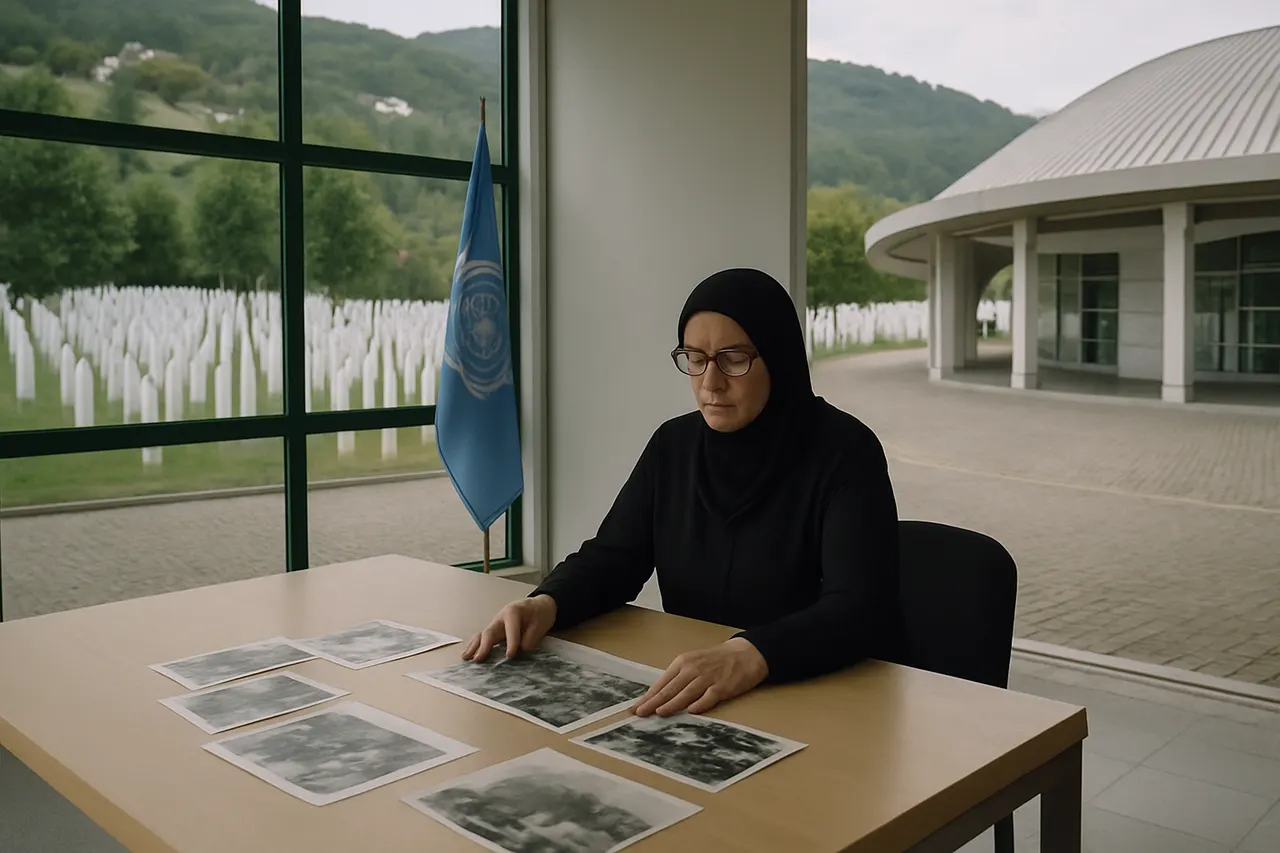
In July 1995, more than 8,300 Bosnian Muslim men and boys were killed by Bosnian Serb forces in Srebrenica, a town in Bosnia and Herzegovina that had been declared a safe area by the UN Security Council. The United Nations later acknowledged its collective failure to prevent the genocide.
Three survivors of the massacre—Almasa Salihovic, Azir Osmanovic, and Amra Begic Fazlic—have spoken to UN News about their work as curators and archivists at the Srebrenica Memorial Centre. The centre, located on the very ground where thousands sought refuge under UN peacekeepers, serves to ensure the true story of the genocide is preserved and told.
Almasa Salihovic, who was eight years old at the time, lost her brother and several uncles in the genocide. Azir Osmanovic recounted how men and boys were separated at a checkpoint on the main road. He chose to work at the Memorial Centre five years ago to contribute personally to the memorialization efforts. Amra Begic Fazlic, who escaped Srebrenica between 1992 and 1995, emphasized that "genocide denial is, according to the definition, the last phase of the genocide."
These survivors continue to safeguard the memory of those killed while confronting the rising tide of denial about the massacre.
Loading comments.