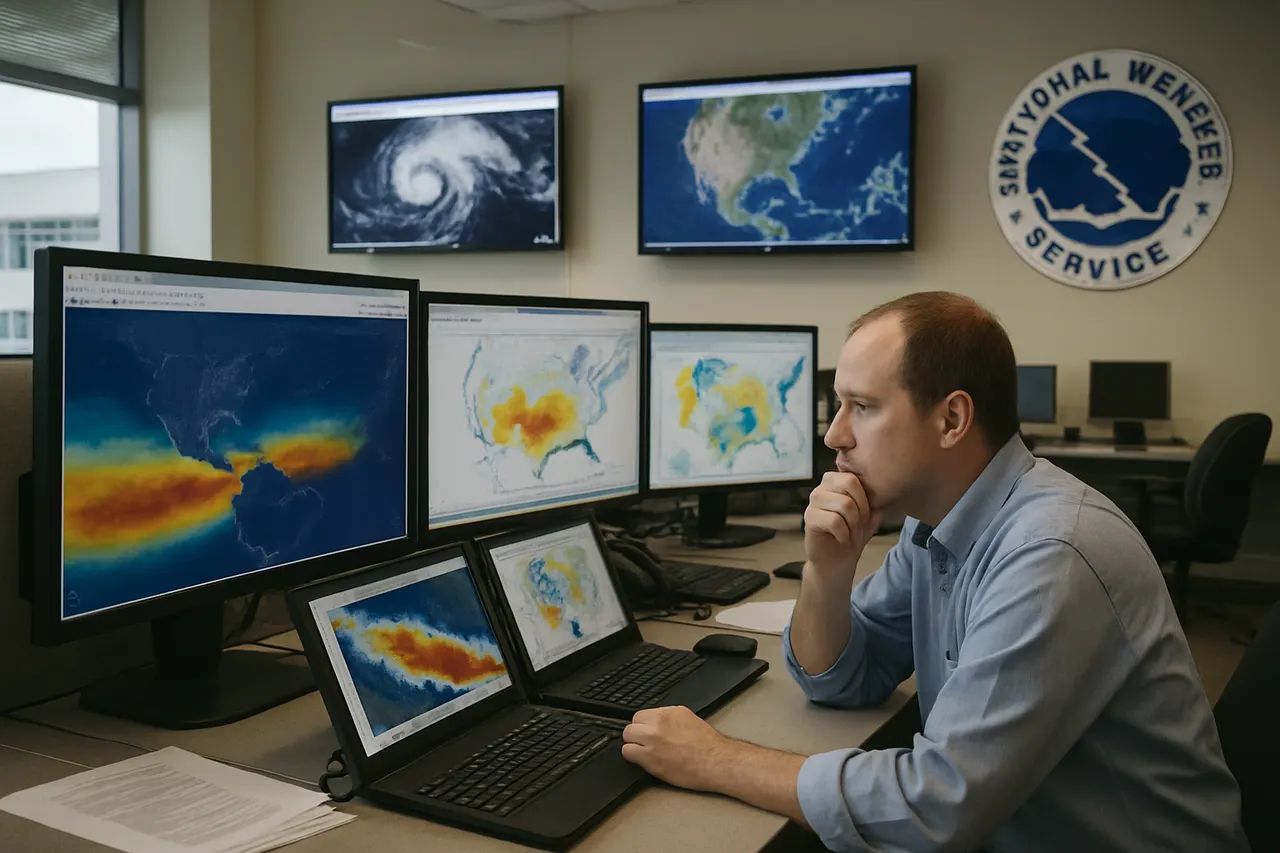
The US National Weather Service has announced an 81% probability that a very strong El Niño event, ranking among the largest since 1950, will develop before the end of 2026. There is a 97% chance that these conditions will continue through spring 2027.
El Niño, a natural climate phenomenon marked by warming sea surface temperatures in the central and eastern tropical Pacific Ocean, can significantly disrupt global weather patterns. Climate scientist Daniel Swain noted that the current El Niño is already at record-breaking strength for this time of year and is expected to intensify further.
Scientists warn of a potential "super El Niño," which would raise sea surface temperatures by at least 2°C (36°F) above average, potentially causing widespread impacts including record global heat. The 2015 super El Niño led to severe drought in Ethiopia, water shortages in Puerto Rico, and an intense hurricane season in the central-north Pacific, according to US federal analyses.
Meanwhile, Western Europe experienced its hottest June on record in 2026, with multiple countries breaking all-time temperature records. Dr. Samantha Burgess, deputy director of the European Union’s Copernicus Climate Change Service, emphasized that June 2026 highlighted the profound changes in climate, resulting in intense heatwaves, warm oceans, and increased risks to people and ecosystems.
Swain also warned that parts of the US interior west could see temperatures exceeding 100°F in the coming days, with heat records likely to be broken.
Loading comments.