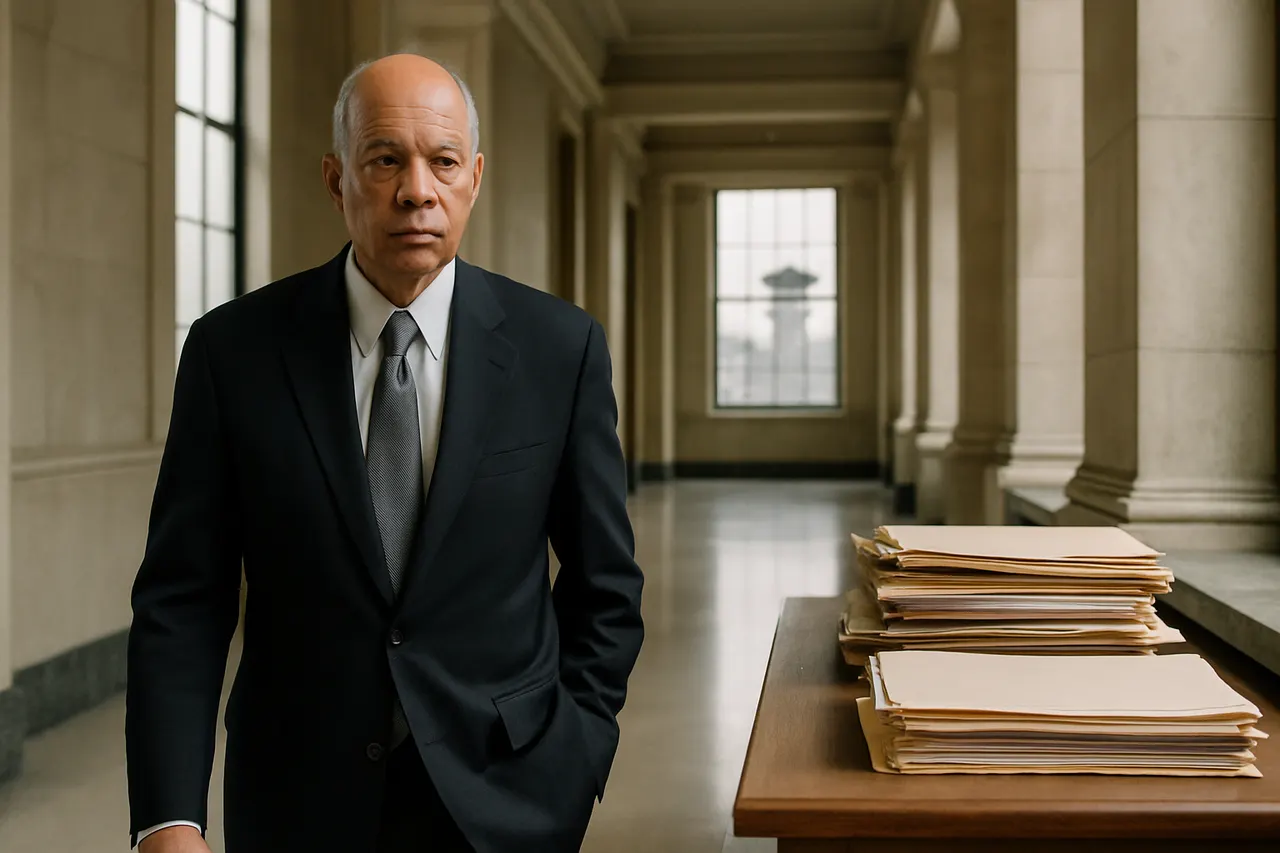
At the Aspen Ideas Festival, former Attorney General Alberto Gonzales and former Homeland Security Secretary Jeh Johnson offered candid reflections on the legacy of the U.S. government's post-9/11 counterterrorism measures, including the 2001 Authorization for Use of Military Force (AUMF), torture, and Guantanamo Bay.
Gonzales, who was White House counsel on September 11, 2001, and later attorney general, expressed surprise that the AUMF remains in effect nearly 25 years later. "I think President Bush and certainly I were stunned, were surprised that the AUMF is still in existence and relied upon, quite frankly," he said. The resolution, originally intended to authorize force against those involved in the 9/11 attacks, has since been used to justify counterterrorism operations in multiple countries, often with little direct connection to the original threat.
Johnson, who served as general counsel of the Department of Defense and secretary of homeland security under President Obama, noted the difficulty in revoking such authorities once granted. "I interviewed a bunch of members of Congress who voted for the 2001 authorization and the 2002 authorization," he said. "One of them told me that once an authority is conferred, it's almost impossible to take it back." Both officials agreed on the need for a sunset provision, with Gonzales stating, "I think it should sunset."
On the topic of enhanced interrogation techniques like waterboarding, Gonzales defended their use, citing sworn testimony from intelligence and Justice Department officials that the information obtained helped keep America safe. He also rejected claims that these methods violated the Geneva Conventions, saying, "That was certainly not the position of the Department of Justice."
Johnson highlighted the ongoing tension between civil liberties and security, describing it as a "pendulum effect" where public willingness to accept restrictions fluctuates with levels of anxiety and perceived threat.
These reflections underscore a growing consensus among former officials that the legal frameworks established after 9/11 have expanded beyond their original intent and warrant reconsideration.
Loading comments.