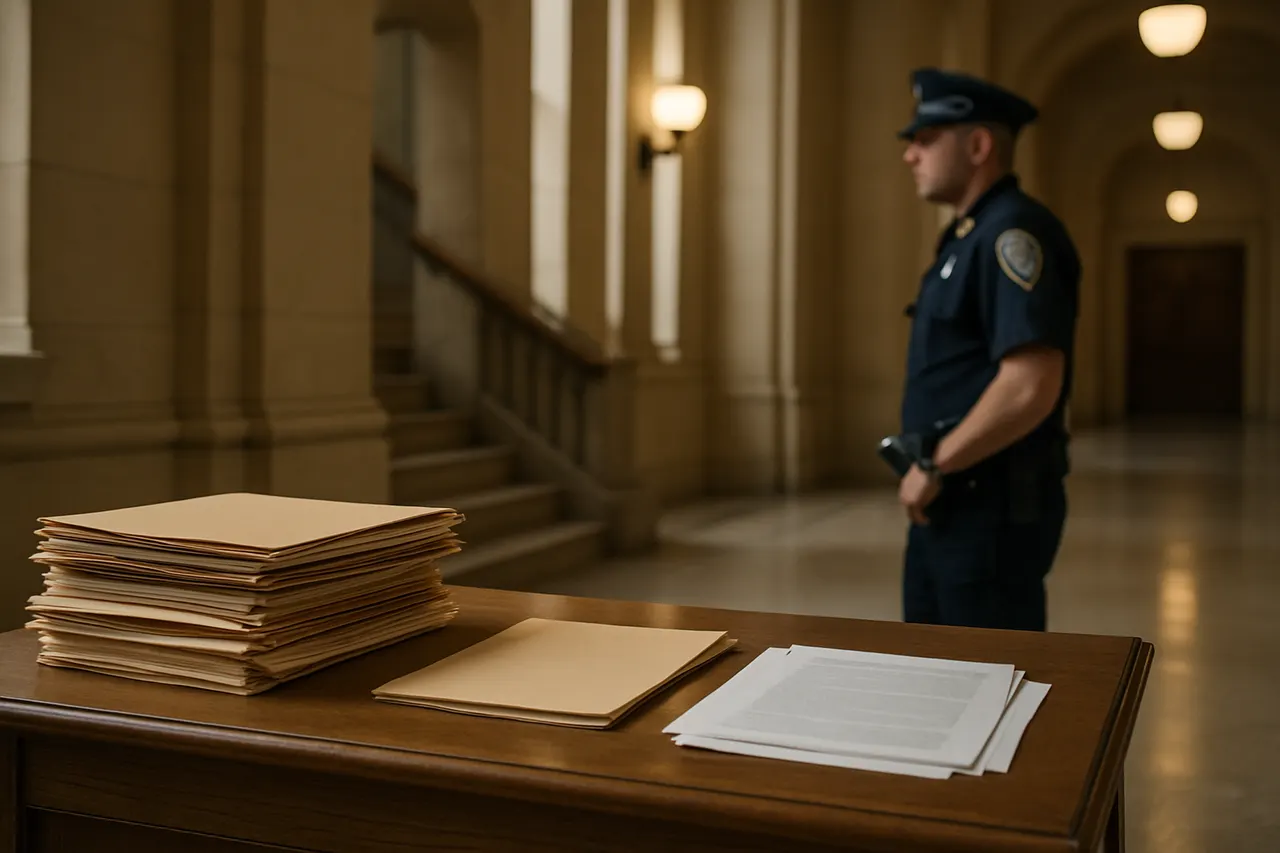
The Court of Appeals for the 7th Circuit ruled in favor of Ausencio Martinez, finding that Illinois State Police Trooper and K9 handler Anthony Muzzillo violated Martinez's Fourth Amendment rights by using an administrative inspection of his semitruck as a pretext for a criminal drug search.
On October 7, 2021, at 3:16 a.m., Muzzillo and another K9 officer, acting on a tip from an unnamed law enforcement agency, stopped Martinez's semitruck. The officers had been waiting on the side of the highway for at least thirty minutes looking for Martinez's vehicle.
Under Illinois' Motor Carrier Safety Law, state police are authorized to "stop and inspect" commercial vehicles or drivers at any time to ensure compliance with state regulations. The law allows for administrative inspections at seven levels of intrusion. Muzzillo and the other officer conducted a Level 3 inspection, which includes reviewing the driver's license and documents and conducting an interview. However, a Level 3 inspection does not permit searching the vehicle or personal effects.
Despite this, police searched Martinez and his truck, discovering narcotics through a K9 drug sniff. Martinez was charged with possession of cocaine with intent to distribute and sentenced to 120 months in prison.
Martinez argued that Muzzillo used the administrative inspection authority solely as a pretext to investigate the drug tip, circumventing the Fourth Amendment's protection against warrantless searches. He later testified that the stop was because his truck was "possibly carrying large-load narcotics," confirming the inspection was an excuse for a criminal investigation.
The 7th Circuit agreed, ruling that the stop and search violated the Fourth Amendment. The court noted that for the officer to have acted in good faith, the government would have had to prove the initial stop was not solely based on the narcotics tip. The Supreme Court has long allowed warrantless administrative inspections only under specific conditions, which were not met here.
Loading comments.