Emmett Doyle, a musician and carpenter, recently pleaded not guilty to conspiracy charges related to protests against Immigration and Customs Enforcement (ICE) operations in Minneapolis earlier this year. Days after his plea, Doyle performed an Irish protest ballad at a local bar, expressing his resolve despite being labeled by the US government as an “antifa” domestic terrorist.
Doyle is among 15 Minneapolis protesters, collectively known as the “Minnesota 15,” who have been charged with conspiracy. The group is primarily associated with Direct Action MN, a loose coalition of Twin Cities residents who provided community defense during an ICE surge.
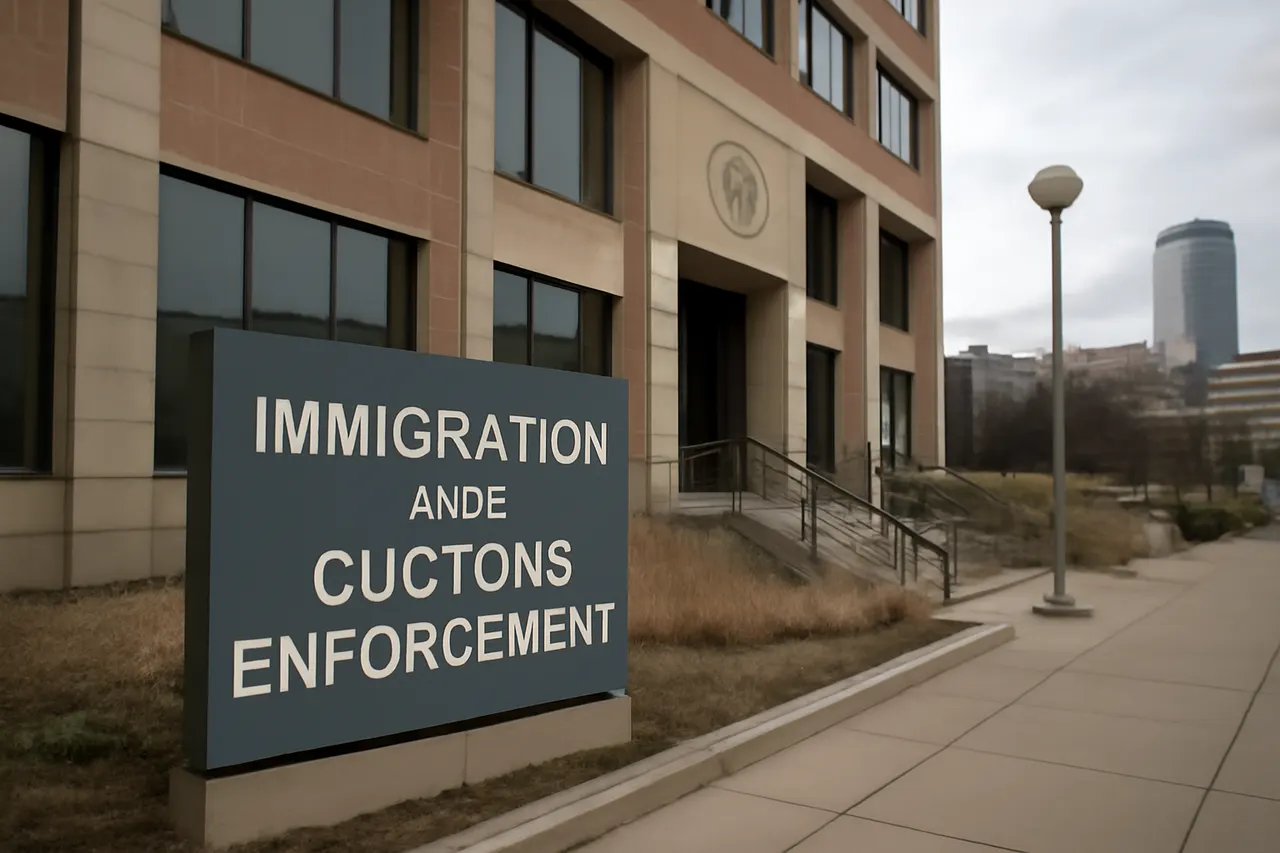
According to a 94-page indictment, the charges do not stem from a single event but from coordinated efforts to alert communities about ICE agents and organize blockades at the city’s ICE headquarters.
Kelly Peterson, a Minneapolis organizer, described the defendants as "teachers and nurses and electricians" who continue their daily lives despite facing charges for actions similar to those taken by thousands of others.
Defense attorney Sufia Khalid noted that the legal theory used to enhance charges in this case was not applied to the 1,500 January 6 protesters, highlighting a disparity in prosecutorial approaches. Lawyer Jordan Kushner emphasized that the allegations against the Minnesota 15 are less severe than those in the Prairieland case and that no violence was committed.
Legal expert De Janon explained that conspiracy charges are often favored by prosecutors because they require relatively little evidence, centering on the existence of an agreement to commit a crime.
Doyle expressed his perspective on the case, stating, “I don’t see our case as Trump’s revenge for the resistance during Metro Surge. I see it more as the government attempting to break the resistance so that they can come back and do another round of spectacular violence in our community and claim victory.”
Loading comments.