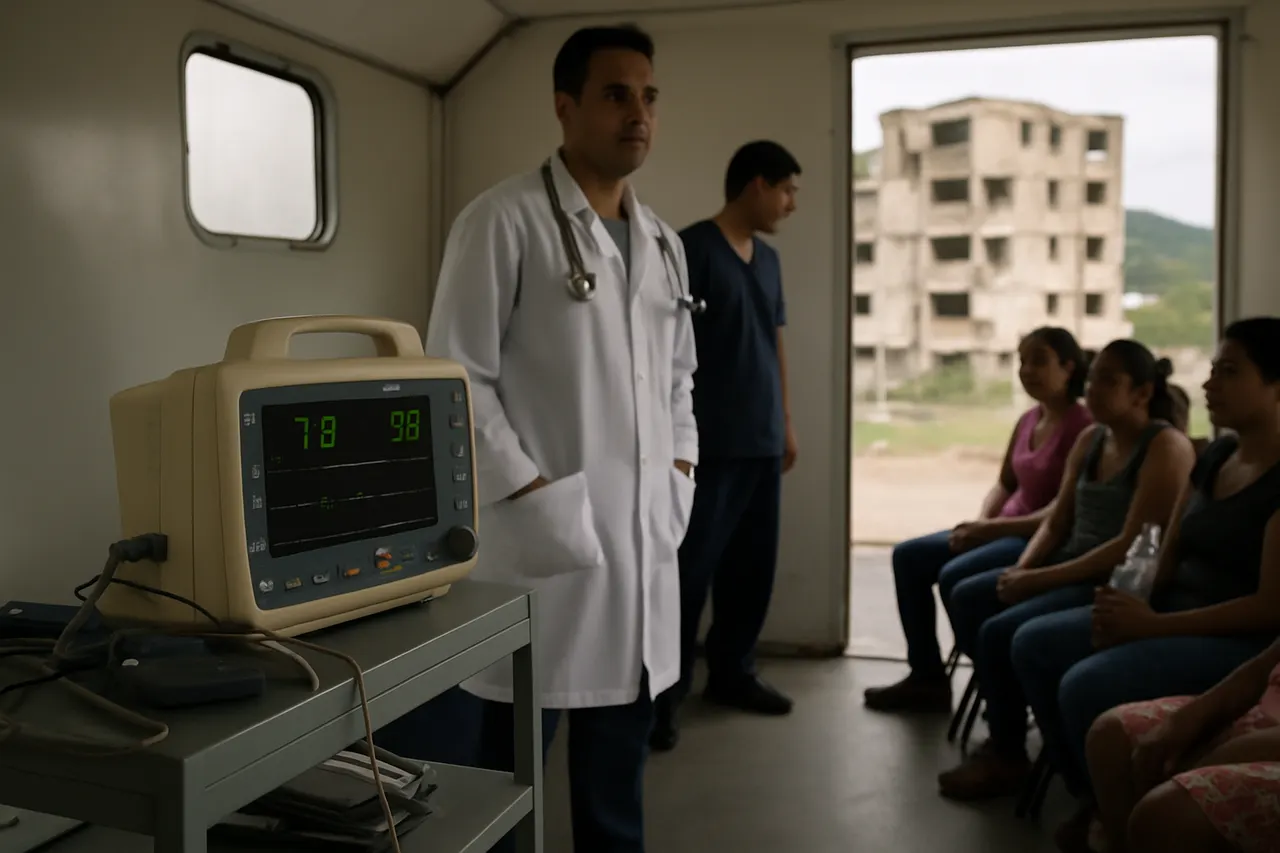
Disease outbreaks, poor sanitation, lack of access to clean water, and disruptions to basic medical care pose significant health risks to tens of thousands of survivors of Venezuela's deadly earthquakes, the Americas branch of the World Health Organization (WHO) said on July 10.
Since the twin quakes struck on June 24, Venezuela has opened more than 80 shelters for displaced residents, with the number of people displaced reaching 17,907 by July 9. Poor shelter conditions have left many survivors especially vulnerable, according to Pan American Health Organization (PAHO) Director Jarbas Barbosa.
“In the coming weeks, the greatest health risks may stem not only from injuries caused by the earthquakes, but also from disruptions to health services, overcrowded conditions, deficiencies in water and sanitation and reduced access to vaccination and routine healthcare,” Barbosa said during a call with journalists.
PAHO plans to work with Venezuela’s health ministry to monitor potential outbreaks of respiratory or digestive illnesses and is urging improved access to vaccines. The organization will also collaborate with the government to integrate field hospitals and shelters into an early warning system tracking diarrhoeal diseases, respiratory infections, febrile syndromes, and vaccine-preventable illnesses.
These efforts aim to mitigate looming health threats as survivors continue to crowd shelters in the quake-affected regions.
Sources
South China Morning Post World (Reuters)
Loading comments.