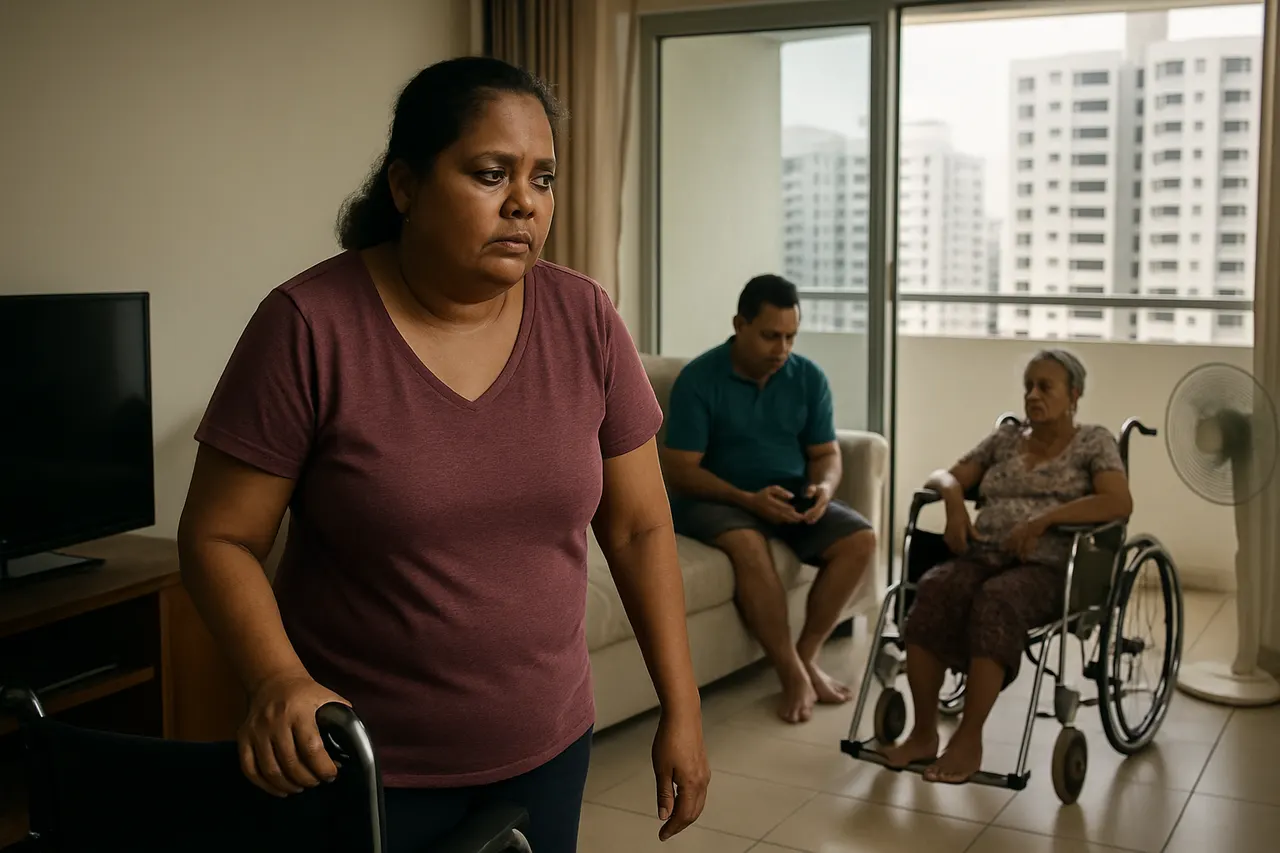
When Karasi Chandramogan’s father died four years ago, the 35-year-old Singaporean was left as the sole carer for her brother, who has autism, and her mother, an amputee. “Me and my dad were a tag team,” said Chandramogan, a freelance behavioural therapist. “When he passed on, I couldn’t mourn too much because I had to handle the funeral situation as well as my mum and brother.” She recalled a frightening incident in April when her brother, Bala, suffered seizures during lunch. “It was very scary for me to handle because I was terrified that he would choke. So I try not to be away for too long, check the CCTV regularly, I’m always on the lookout,” she said.
The recent sentencing of Abdul Rani Md Ariffin, 59, who had been the long-term carer for his 56-year-old brother suffering from chronic illnesses and depression, has brought attention to the pressures faced by carers in Singapore. Abdul Rani was initially charged with murder after strangling his brother to death last year. A psychiatric assessment revealed he suffered from adjustment disorder, depressed mood, irritability, and carer stress. He pleaded guilty to a reduced charge of culpable homicide not amounting to murder and was sentenced to eight years in jail.
These events underscore the increasing complexity of care needs in Singapore amid a rapidly ageing population and the urgent need to tackle caregiver burnout.
Loading comments.