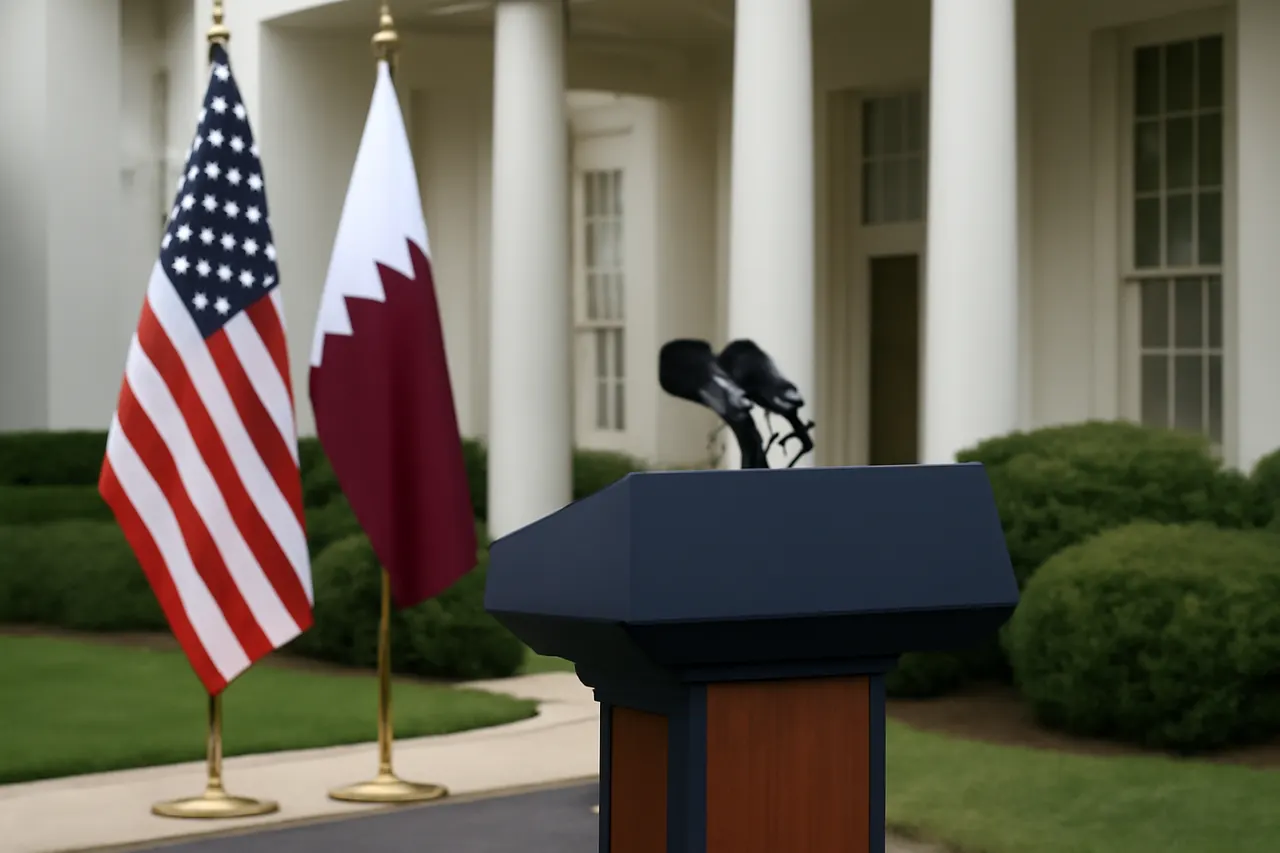
US President Donald Trump announced on July 10 that Iran requested to continue peace talks and the US has agreed to do so, but emphasized that the June ceasefire is "over." This statement follows recent attacks on three Qatari and Saudi commercial tankers, which led to US strikes on Iranian sites and Iranian retaliatory strikes on US military installations in neighboring Gulf states.
Qatari negotiators met with Iranian officials to seek de-escalation and discuss navigation through the Strait of Hormuz, a critical waterway that handles about a fifth of global oil supplies. These talks aim to address the implementation of the US-Iran memorandum of understanding and resolve issues that triggered the recent escalation, including disputes over navigation in the strait.
Iran's semi-official Tasnim news agency reported that a Qatari delegation visited Iran as part of Doha's efforts to consolidate its role as a mediator. The meetings follow Qatari accusations against Iran regarding an alleged incident in the Strait of Hormuz.
Daily tanker traffic through the strait appeared to slow after the attacks, raising concerns about the recovery of global oil supplies and highlighting the fragility of the interim truce. Oil prices eased but remained on track for weekly gains of 5 percent following the flare-up.
The two nations had reached an interim deal last month to end a four-month conflict that killed thousands and disrupted worldwide energy supplies. However, Iran has not responded to Trump's recent claim, as new attacks threaten a full resumption of the conflict.
Trump also reiterated that while the US is not seeking a full-scale war with Iran, it has threatened to attack Iran's oil and water infrastructure, take control of Kharg Island, and reinstate a US naval blockade.
The UN shipping agency's governing council condemned Iran's efforts to impose sovereignty over the Strait of Hormuz.
Loading comments.