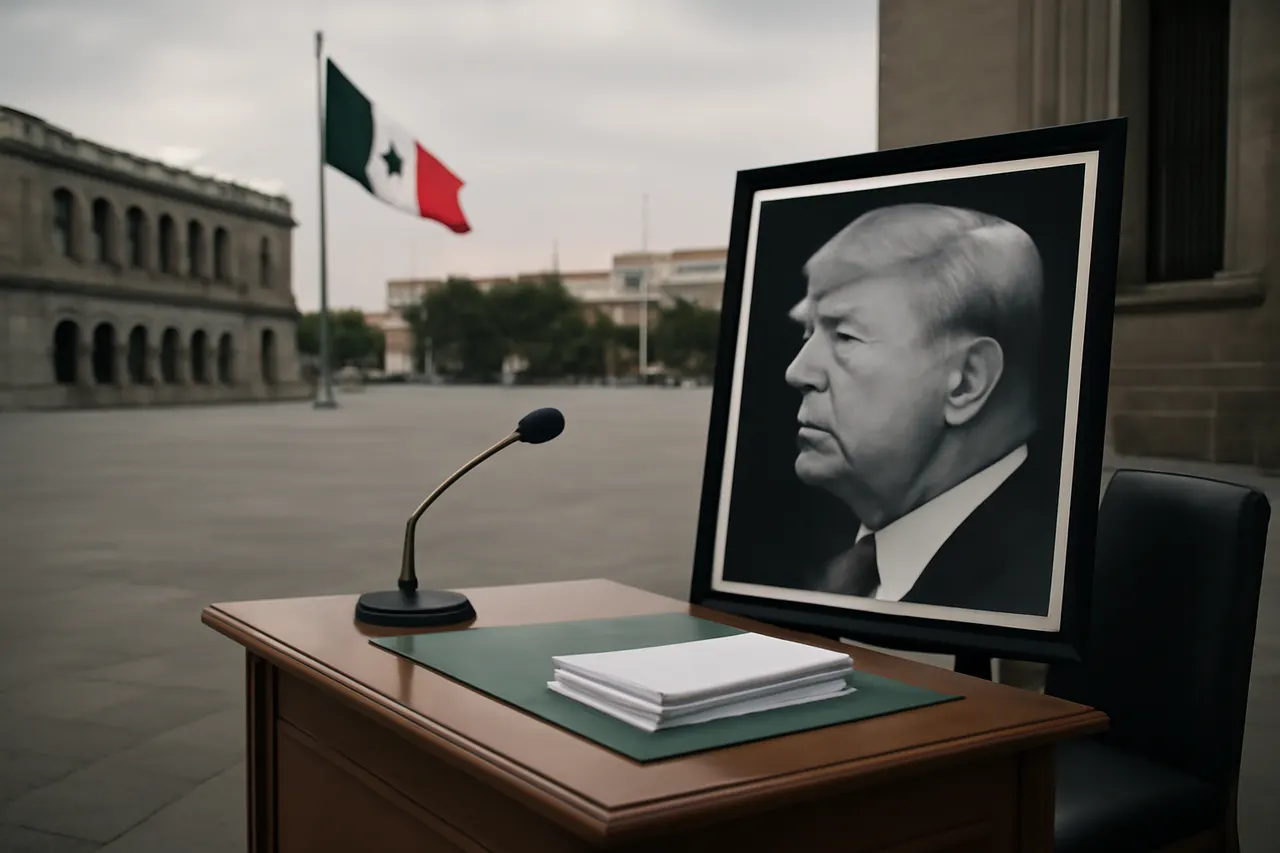
On November 1, 2025, Carlos Manzo, the mayor of Uruapan in Michoacan, was fatally shot during Day of the Dead celebrations while carrying his infant son. Manzo had been vocal against local gang violence and urged federal intervention, sparking protests and riots amid ongoing crime frustrations.
Despite a reported 27% drop in the overall murder rate last year, Amnesty International noted a 10.5% rise in disappearances, raising questions about the crime statistics.
Claudia Sheinbaum, Mexico City’s leader, has taken a firm stance on cartel-related issues and US relations. In February, she approved the extradition of 29 major drug traffickers but rejected proposals for US troops on Mexican soil, a sensitive issue tied to Mexico’s historical loss of territory in the 1840s Mexican-American War.
Sheinbaum also engaged with then-US President Trump to delay tariffs initially set for March 4, 2025, presenting data that showed a decline in fentanyl seizures at the border following her deployment of troops.
David Gantz, a fellow at the Baker Institute for Public Policy, highlighted that despite high US tariffs on Mexican steel, aluminum, copper, and autos, most Mexican products complying with USMCA rules enter the US duty-free.
Correa-Cabrera, author of Carteles, Inc, commented that US drug policy is used to exert pressure on Mexico’s government and that allegations of narco involvement are often smears. Sheinbaum’s demand for evidence in such cases is seen as justified.
Despite ongoing concerns about crime, Sheinbaum remains broadly popular, holding a 68% approval rating according to a May Enkoll poll.
Loading comments.