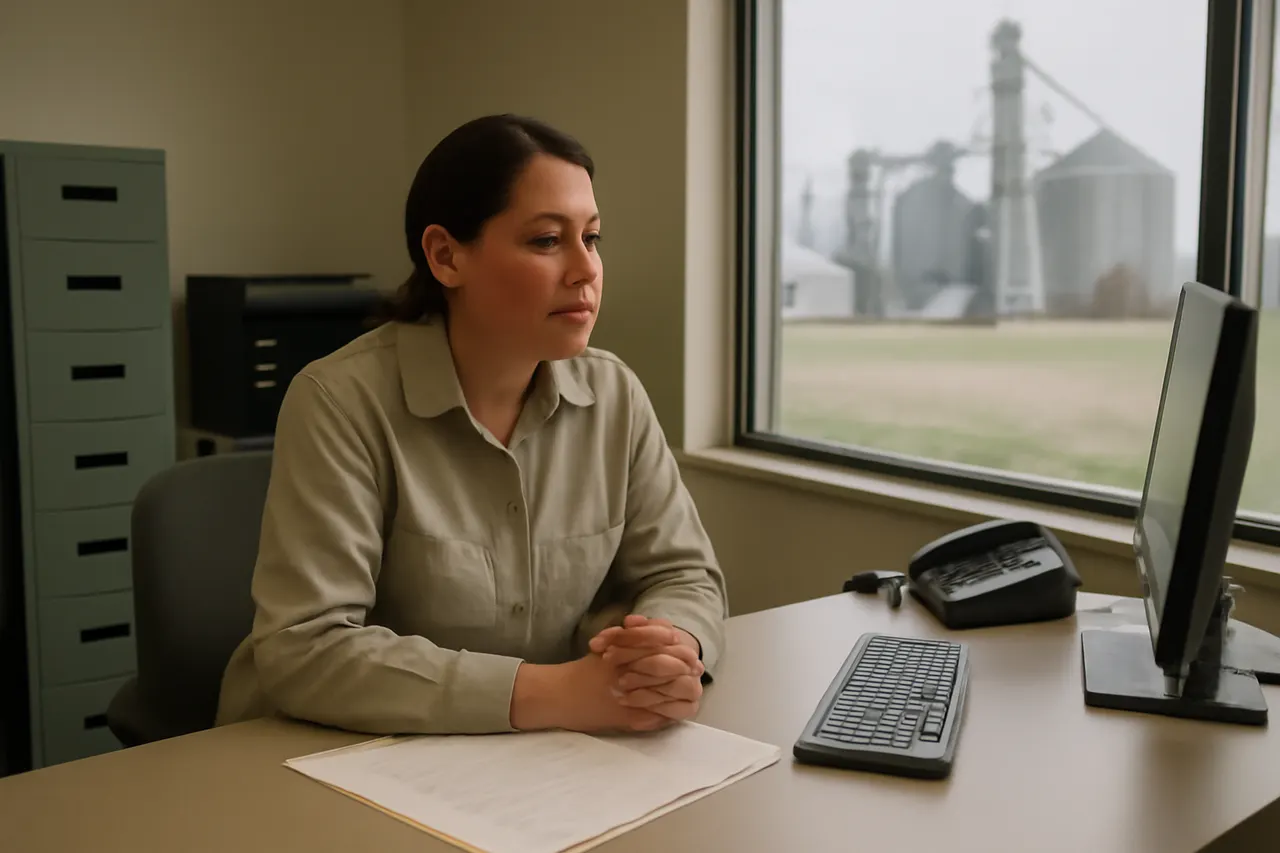
Lawrencia Rogers, a 33-year-old farmer in eastern Iowa, had recently begun a two-year fellowship with the agricultural non-profit Iowa Valley Resource Conservation and Development (RC&D), funded by a $2.5 million grant from the US Department of Agriculture (USDA). However, just two and a half weeks after starting, the USDA cancelled the grant, labeling it “wasteful spending” and citing conflicts with the administration’s policy against diversity, equity, and inclusion (DEI) programs.
Rogers, who grows broccolini, lettuce, and beans on a small plot of land once farmed by poorhouse residents, represents many small producers facing increasing difficulties. Anna Pesek, a farmer and board member of Iowa Valley RC&D, described the funding cancellations as “the cherry on top for many organizations and farmers that are already up against really hard times.” Pesek estimated that the loss of these programs cost her farm 10% of its income and nearly all of her large buyers.
James Nisly, a farmer south of Iowa City producing chicken, fresh vegetables, and dairy, said, “I haven’t seen any activity in the current administration that actually is beneficial for the small producer and the small-business entities.”
The challenges come amid broader economic strain in Iowa’s farming sector. According to the American Farm Bureau Federation, 18 farms declared bankruptcy in 2025—a 220% increase from the previous year and among the highest totals nationally. Additionally, the USDA’s most recent agricultural census shows the average age of Iowa farmers is just under 58, with rural populations declining and the state importing the majority of its food due to a focus on commodity crops.
Pesek criticized the disparity in funding, noting, “It’s a really classic example where we have … seemingly endless amounts of money for commodity production, and seemingly endless amounts of money to hand out to the handful of corporations controlling the majority of the agricultural landscape, and then no funding when it comes to programs that actually make money.”
These developments highlight the growing concerns among small farmers in Iowa who feel overlooked by current USDA policies under the Trump administration.
Loading comments.