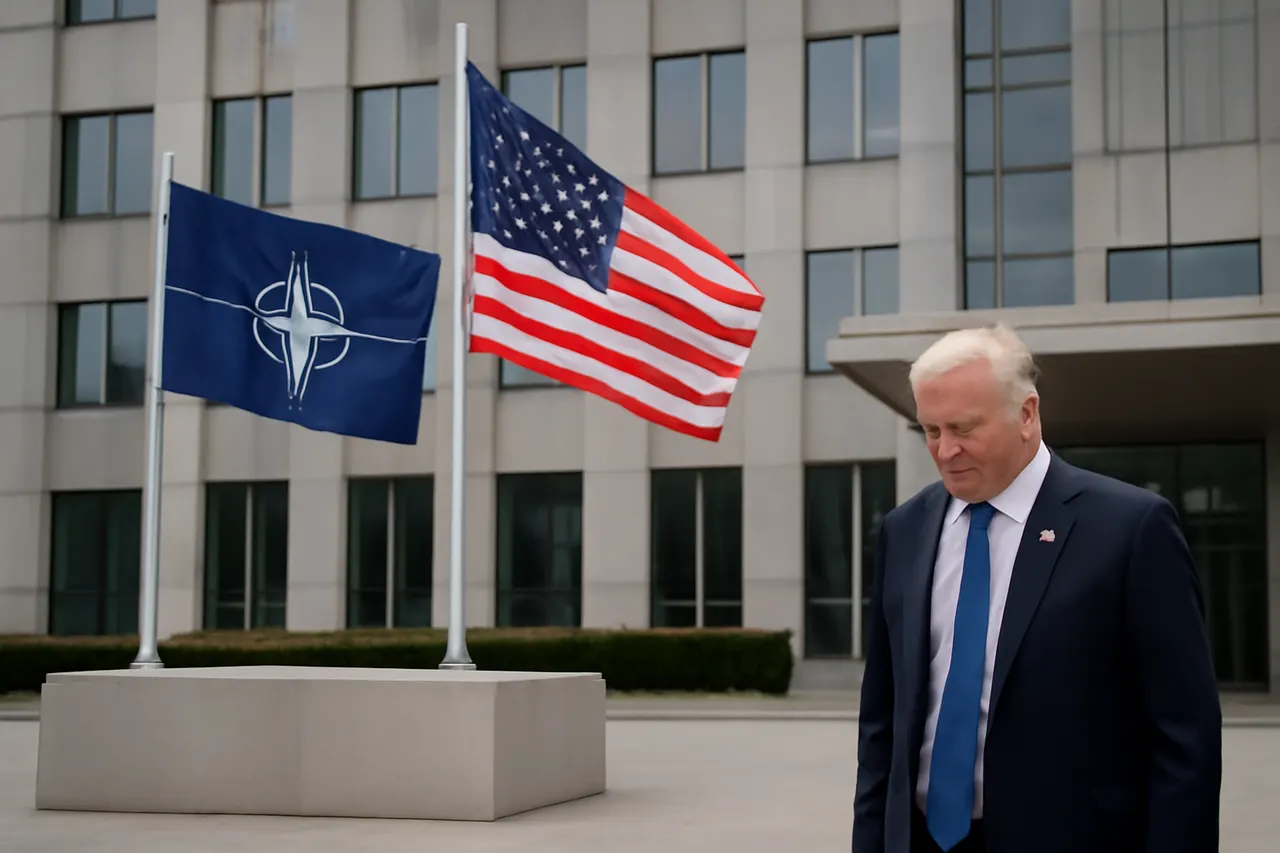
At the NATO annual summit held in Ankara on Tuesday, July 7th, 2026, US President Donald Trump displayed a volatile and unpredictable demeanor that alarmed Washington’s NATO allies and observers alike. His sudden shift in tone and rhetoric, marked by harsh criticisms and erratic demands, has intensified apprehensions about the stability of the transatlantic alliance.
Trump arrived visibly frustrated, particularly over the failure of a temporary ceasefire agreement with Iran to hold. Despite having praised Iran’s Islamic leadership as “very reasonable” just two weeks prior, he reversed course dramatically, labeling them “scum” and “sick people” during a press encounter beside NATO Secretary General Mark Rutte.
The US president also launched a broadside against NATO itself, the cornerstone of Western collective security since its founding in 1949. He expressed dissatisfaction with alliance members, including Britain, accusing them of failing to support the US in the ongoing Iran conflict. Trump revisited his controversial claims on Greenland, a sovereign Danish territory, and demanded the US sever trade ties with Spain due to its socialist government’s refusal to meet new defense spending targets, branding them “bad people.”
One possible explanation for Trump’s abrupt change in tone is his affinity for the summit’s host, Turkish President Recep Tayyip Erdoğan. Erdoğan, a strongman leader in power for 23 years, has long been admired by Trump despite his Islamist political roots. Ian Lesser, a fellow at the German Marshall Fund who attended the summit, described the event as having a “bipolar quality,” attributing this to Trump’s chemistry with Erdoğan. Lesser noted that Erdoğan’s domestic opponents have labeled him an autocrat who suppresses political opposition and press freedom.
Despite the harsh rhetoric, some analysts argue that the alliance itself remains intact. But Kupchan, author of a recent article titled “America does not know its own mind,” contended that Trump’s hostility has not fundamentally weakened NATO, although it has eroded European trust in the reliability of US support. He stated, “Stepping back from all the heated rhetoric, and Trump’s demeaning language toward NATO, in some ways, the picture that emerges is a positive one. NATO is still NATO.”
Kupchan further warned that Trump is more a symptom than the cause of a broader foreign policy malaise in the United States. He highlighted the collapse of the political center in the US and the absence of a coherent foreign policy as the underlying issues. “If you’re the chancellor of Germany or the prime minister of Japan and have relied for decades on the US security guarantee, you have to plan for the worst, because the United States is passing through such a prolonged period of political dysfunction that you don’t know whether you can count on Uncle Sam.”
The summit’s developments underscore growing uncertainty among NATO allies about the future of transatlantic security cooperation amid erratic US leadership. How this will affect NATO’s cohesion and the global security landscape remains a critical question moving forward.
Loading comments.