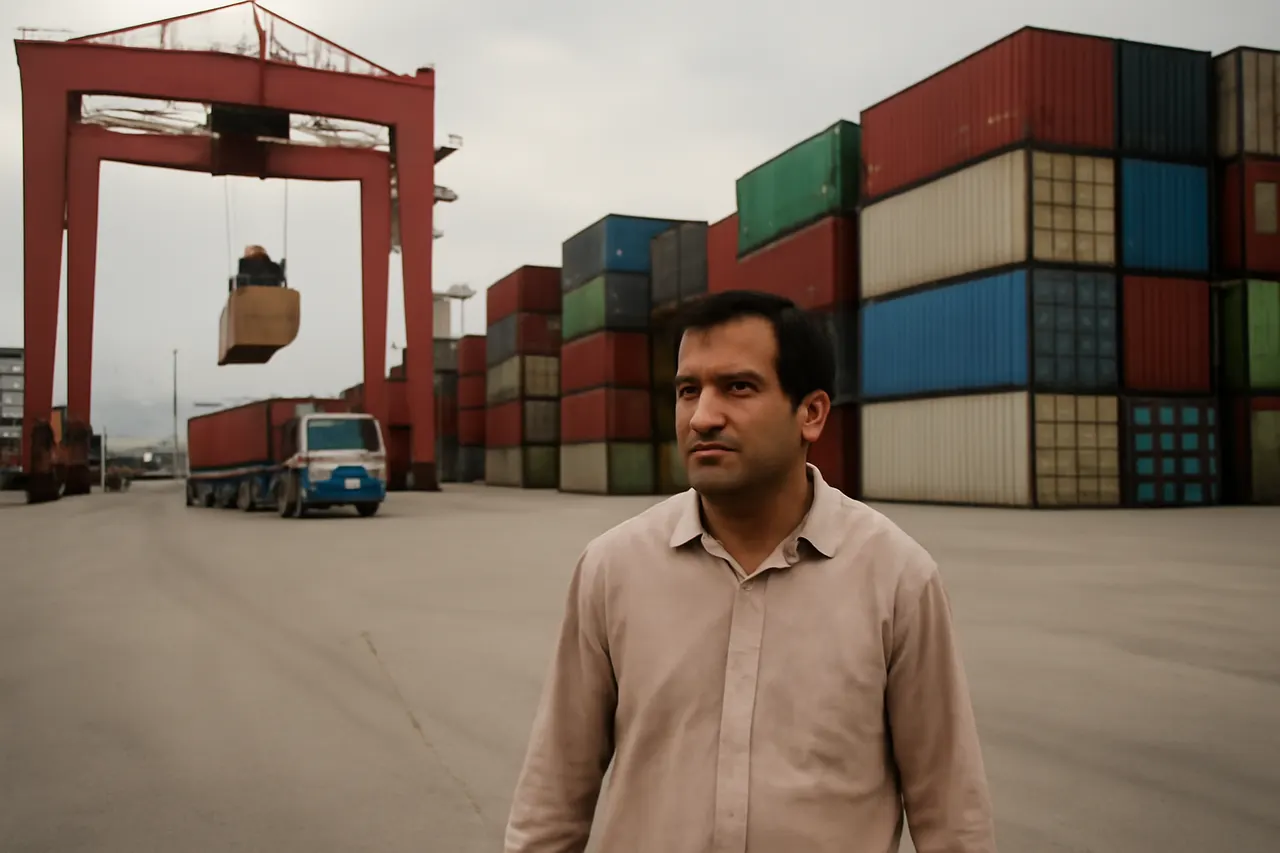
HANOI, Vietnam — The war in Iran, which began months ago, has sent ripples far beyond the battlefield, affecting lives across seven countries. Seven people from diverse backgrounds describe how their days have changed amid the conflict's economic fallout.
Initially impacting oil markets and driving fuel prices higher, the war's shockwaves have extended into farms, factories, and household budgets worldwide. The global economy's reliance on fossil fuels, which also contribute to climate change, has intensified the crisis.
The United Nations Development Program has warned that this severe disruption could push an additional 45 million people into poverty.
For those distant from the conflict, the war's effects manifest not through direct violence but through everyday hardships: businesses failing, fearful farewells, and precarious livelihoods.
One individual shared that before the war, he earned about $8 a day driving, sometimes twice that on good days. Another mother, determined to support her two young children despite financial strain, said, “It’s summer so they always want an ice cream and I want to make sure I have that extra cash there for them. They shouldn’t be able to suffer because of whatever is going on around the world.”
In Nepal, a woman hugged her son tightly before he joined a queue of young men heading to the Gulf, a region whose remittances constitute about 10% of Nepal’s GDP.
These personal stories highlight the far-reaching consequences of the Iran war, underscoring the interconnectedness of global economies and the human cost of geopolitical conflicts.
Loading comments.