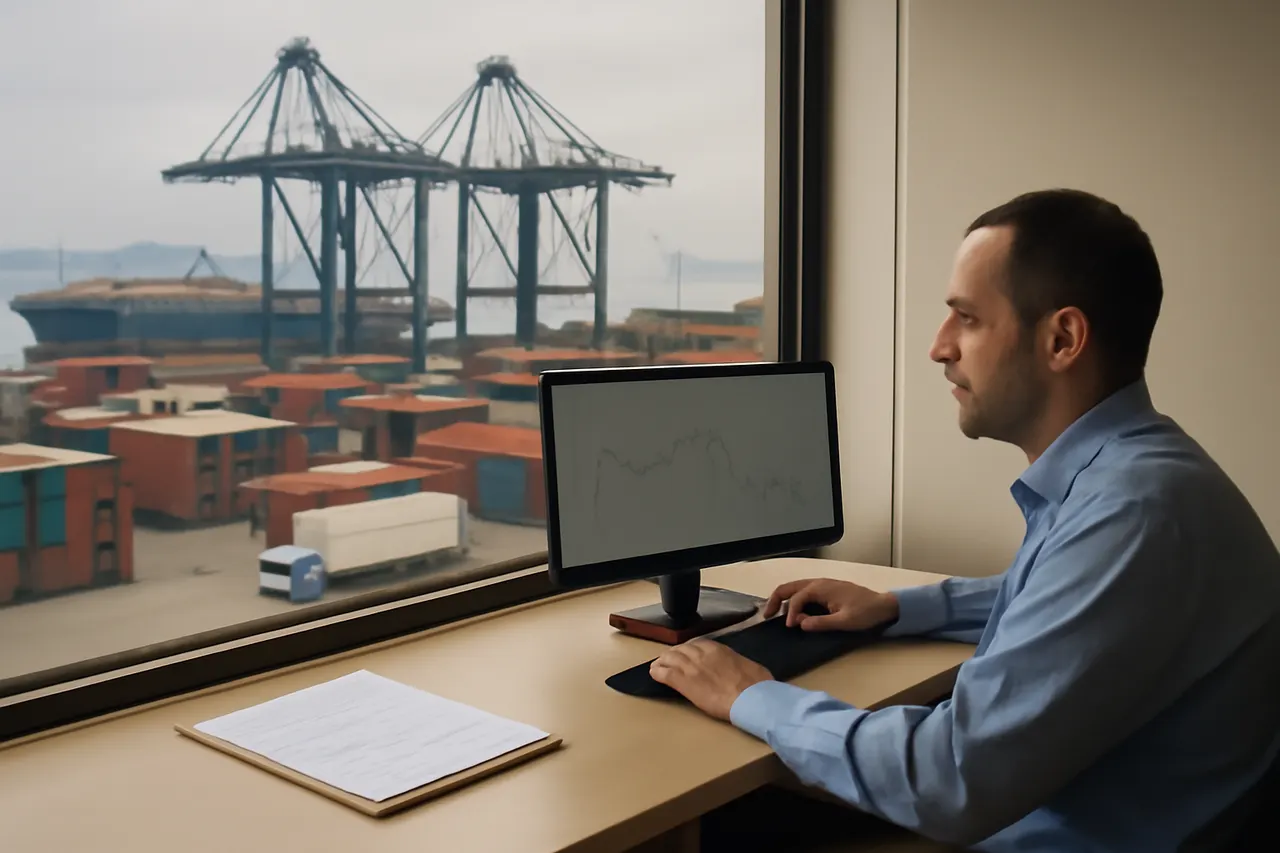
HANOI, Vietnam — Seven individuals from seven different countries have experienced profound changes in their daily lives due to the war in Iran, which began months ago and is thousands of miles away from them.
The conflict's impact first hit global oil markets, driving fuel prices higher. This economic shock then spread to farms, factories, and family budgets worldwide. The global economy's heavy reliance on fossil fuels, which also contribute to climate change, makes it vulnerable to such disruptions.
The United Nations Development Program has warned that a severe shock to this system could push an additional 45 million people into poverty.
For those far from the battlefield, the war's effects are felt not through direct violence but through the disruption of everyday life — businesses failing, fearful farewells, and livelihoods becoming precarious.
One individual shared that before the war, he earned about $8 a day driving, sometimes twice that on good days. Another woman, motivated by the needs of her two small children, continues to manage her finances carefully despite the difficulties, saying, “They shouldn’t be able to suffer because of whatever is going on around the world.”
In Nepal, a mother hugged her son tightly before he joined a queue of young men heading to the Gulf, a region whose remittances contribute about 10% to Nepal’s GDP.
These personal stories illustrate the far-reaching consequences of the Iran war on global economies and individual lives.
Loading comments.