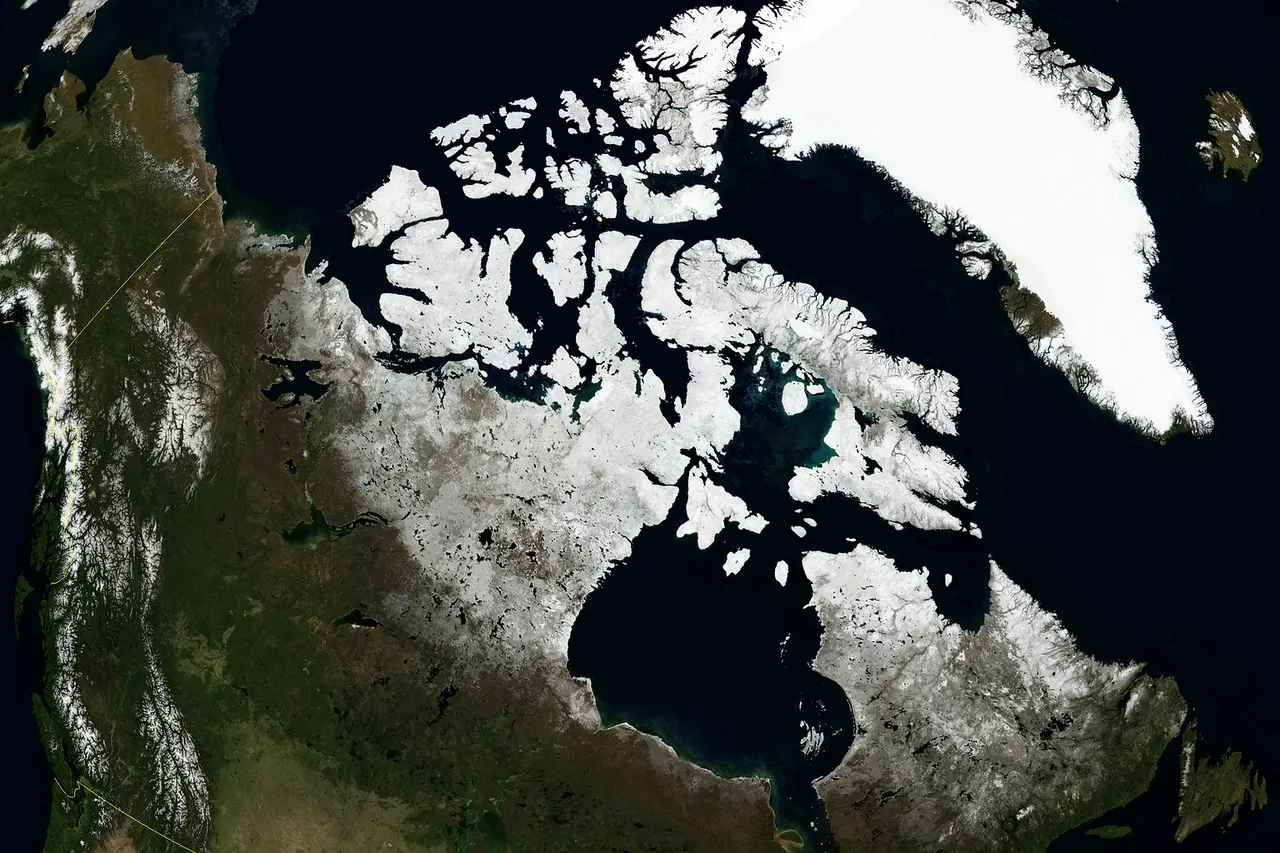

The largest tagged male great white shark in the Atlantic Ocean, known as Contender, has been tracked traveling up the US and Canada coastlines amid a notable increase in shark sightings. Contender, nearly 14 feet long and weighing over 1,650 pounds, has been pinged off North Carolina and Maine, with his last known location recorded off Nova Scotia, Canada, on July 11, 2026.
Contender is believed to be about 30 years old and migrates seasonally between Florida and Canada. Ocearch, the shark research organization that tagged him in January 2025, expressed confidence that Contender is now spending the summer in Canadian waters.
Researchers attribute the northward movement of sharks like Contender to warming ocean waters. Shannon Barry, a researcher at the Florida Institute of Technology who led studies on bull sharks moving up the US east coast, said, “We are seeing evidence of a northward movement because of the warming waters and that means there’s more chances to see sharks.”
Barry also noted that bull sharks are increasingly found near shore and in low-salinity environments such as estuaries and rivers, which could lead to more human-shark interactions in popular swimming and fishing areas. She added, “The reaction should be concerning because we can see sharks are the canary in the coalmine to this problem.”
Neil Hammerschlag, executive director of the Shark Research Foundation, highlighted that while conservation efforts and increased surveillance have helped some shark populations recover, global heating is pushing sharks into new regions where they have not been commonly seen before.
This shift in shark distribution underscores the broader impact of climate change on marine ecosystems and raises awareness about the need for continued monitoring and public education regarding shark presence along the Atlantic coast.
Loading comments.