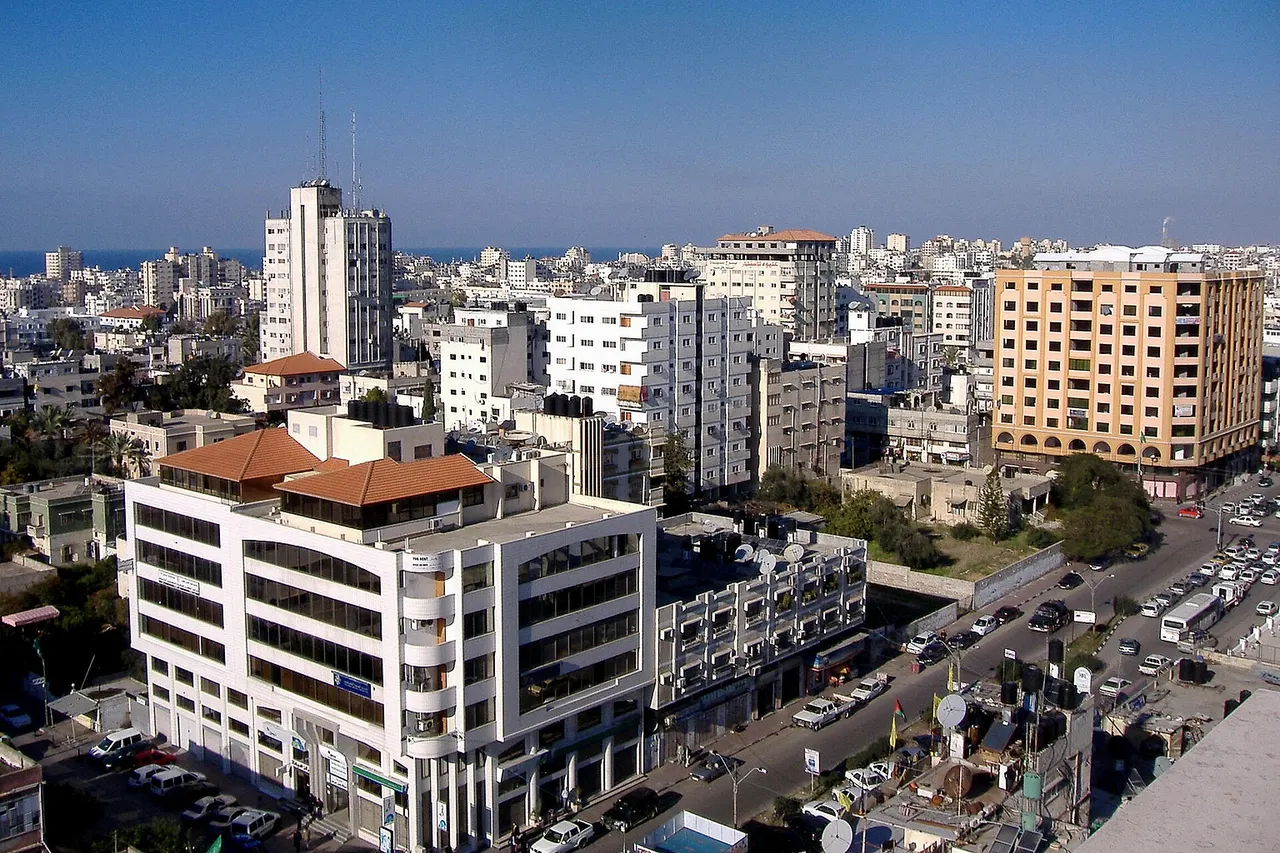

Palestinians in Gaza have reacted with skepticism to Hamas's recent declaration to lay down its weapons, a move aimed at reviving the stalled peace process. US President Donald Trump announced on Friday, July 31st, 2026, that Hamas had agreed to "completely disarm" after months of behind-the-scenes negotiations. However, Hamas has made its disarmament conditional on Israel withdrawing forces from large parts of Gaza and ceasing daily strikes on the territory.
Since the ceasefire was announced in October 2025, Palestinian health authorities report that over 1,200 people, many civilians including children, have been killed in Israeli strikes. Rabih Al-Balawi, a 57-year-old Gaza resident displaced 23 times during the conflict and unable to walk unaided, told ABC, "We welcome any agreement that is genuine and will actually be implemented."
Despite this, there is widespread doubt about the deal's durability. Rabih suggested that Israel appears to be delaying any agreement until after upcoming elections, saying, "It seems Israel is refusing to reach any agreement until after the elections, waiting to see what happens."
Sanaa Shreir, 54, expressed hope that the agreement would lead to improved humanitarian conditions in Gaza. Conversely, Israel's far-right National Security Minister Itamar Ben-Gvir condemned the announcement as "not acceptable to Israel," emphasizing on social media that post-October 7 massacre, the blood of every Hamas member is forfeit and that ceasing eliminations would allow Hamas to regroup for future attacks.
The situation remains fragile, with Palestinians longing for peace but doubtful that the recent agreement will bring lasting change.
Loading comments.