
Smoke continues to hang over the blackened hills near the village of el-Gol in Tunisia’s Kef governorate, days after one of the worst wildfire outbreaks this summer. The fires, fueled by a heatwave pushing temperatures close to 50 degrees Celsius (122 degrees Fahrenheit), have destroyed farms and livelihoods near the Algerian border.
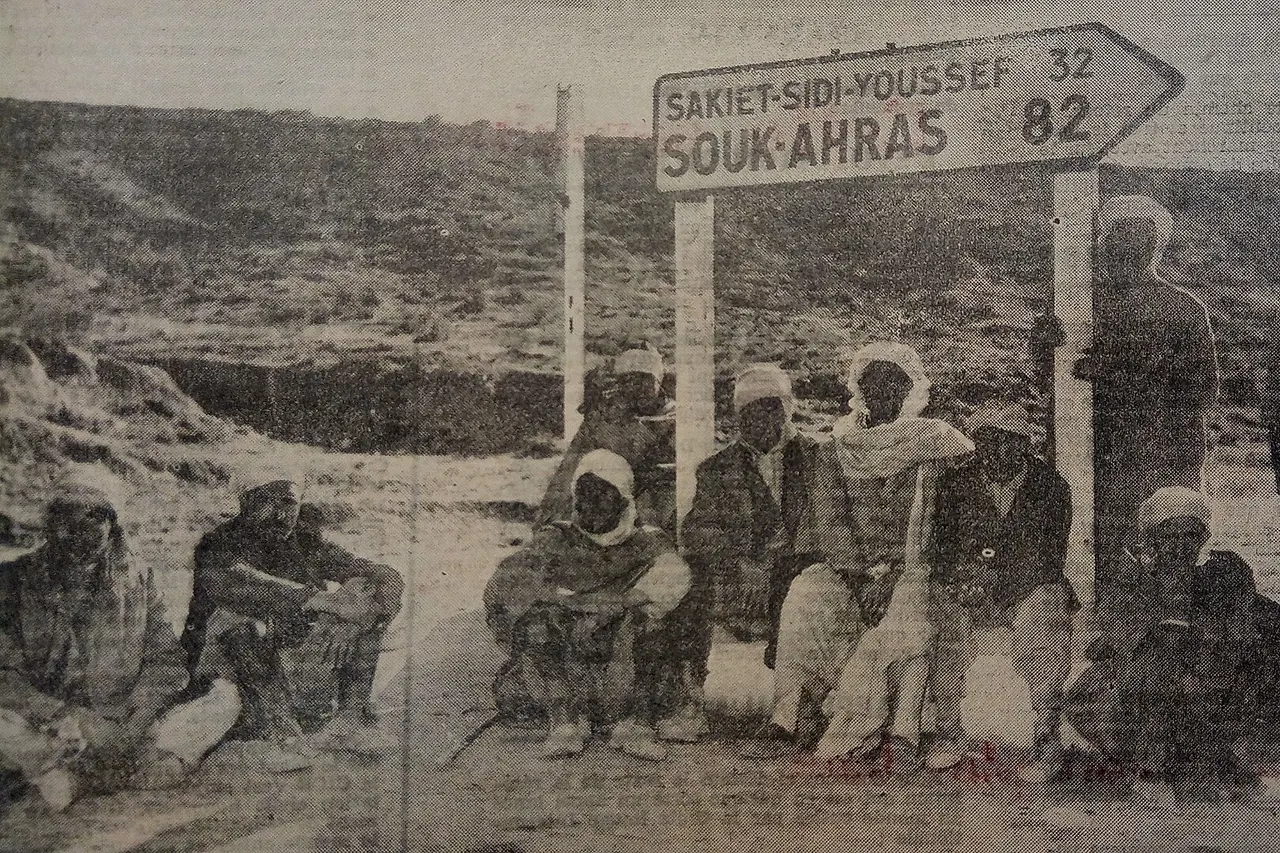
Seventy-year-old Mongi Abdeli, standing outside the charred remains of his farm, reported losing 10 sheep to the wildfire, with two more dying the following day from smoke inhalation. He lamented the lack of attention to his community, saying, “They only remember us on February 8,” referring to the 1958 bombing of Sakiet Sidi Youssef during Algeria’s war of independence.
Civil Protection authorities stated that firefighters responded to nearly 600 fires within 48 hours during the peak of the crisis. Meanwhile, political economist Sahar Mechmech from the Tahrir Institute for Middle East Policy attributed ongoing power cuts to years of underinvestment rather than a sudden increase in demand.
In a recent Finance Committee hearing, MP Maher Kettari revealed that the Tunisian government owes the national utility company nearly 3.5 billion dinars (approximately $1 million) in unpaid energy subsidies. This financial strain has compounded the challenges faced by communities amid the wildfires.
The events come as Tunisia marks five years since President Saied’s power consolidation, a period during which many Tunisians feel conditions have not improved, with calls growing for a change in leadership.
Loading comments.