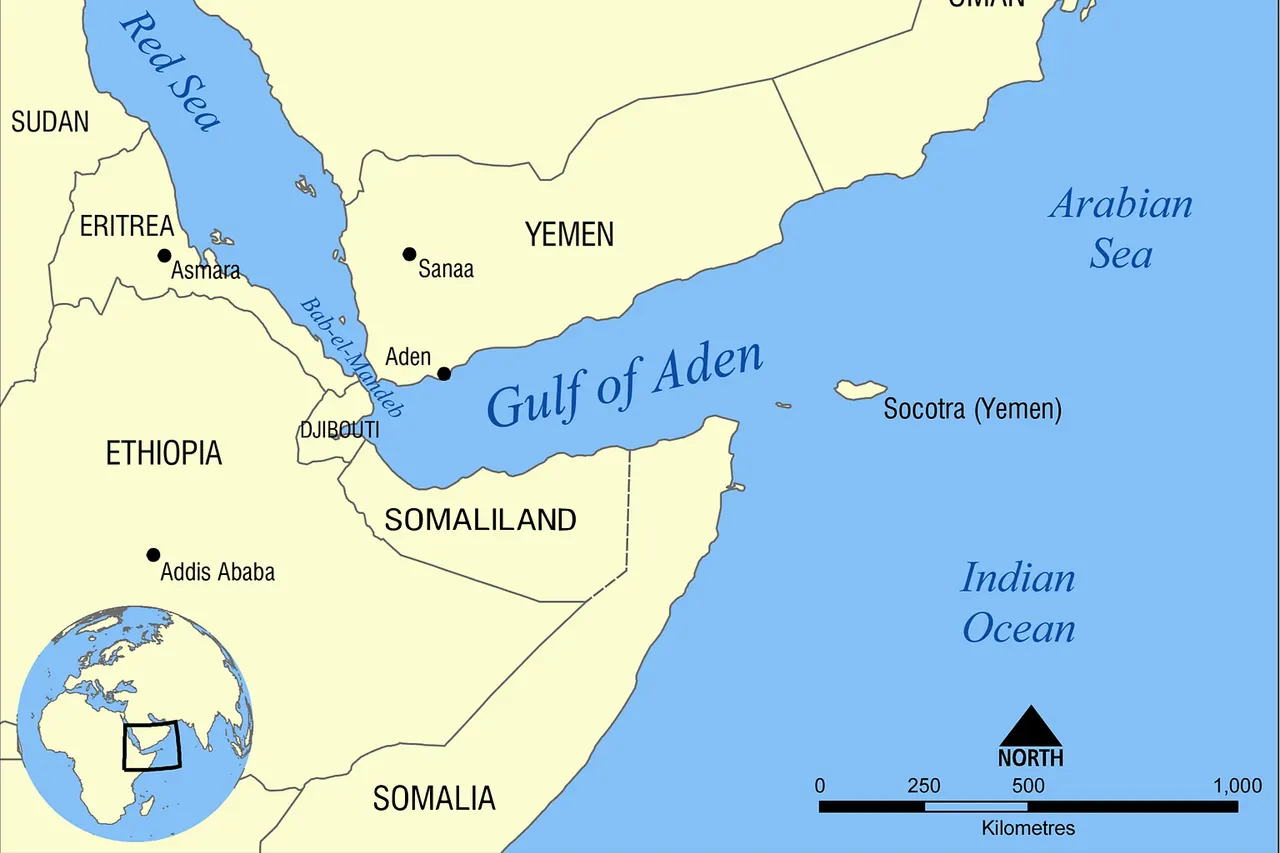

Piracy incidents in the Gulf of Aden and surrounding waters have sharply increased in 2026, reopening one of the world’s most dangerous shipping lanes. In April and May of this year, pirates seized four vessels off Somalia’s coast within less than two weeks. Among them was the Togo-flagged oil tanker Eureka, operated by Emirati-linked interests, which was taken in the Gulf of Aden and brought to the Puntland coast where a $10 million ransom demand remains outstanding.
This resurgence of piracy is part of a broader threat network reportedly constructed by Tehran and staffed by U.S. and United Nations-designated terrorist groups in Yemen. These groups have established logistics franchises with counterparts in Somalia. A Panel of Experts report documented direct meetings between terrorist representatives from Yemen and Somalia-based militants in July and September 2024, during which the Somali group agreed to intensify piracy activities in the Gulf of Aden.
Global piracy incidents reached a five-year high in 2025 with 137 reported cases, up from 116 the previous year. The cluster of piracy events in early 2026 occurred before the annual count for the year had closed, indicating a worsening trend.
Experts argue that the U.S. Navy should proactively rebuild a dedicated counter-piracy presence in the Gulf of Aden to prevent further incidents rather than responding after attacks occur.
The situation highlights a complex maritime terror and weapons proliferation problem with direct links to Tehran, extending beyond a regional security issue.
Loading comments.