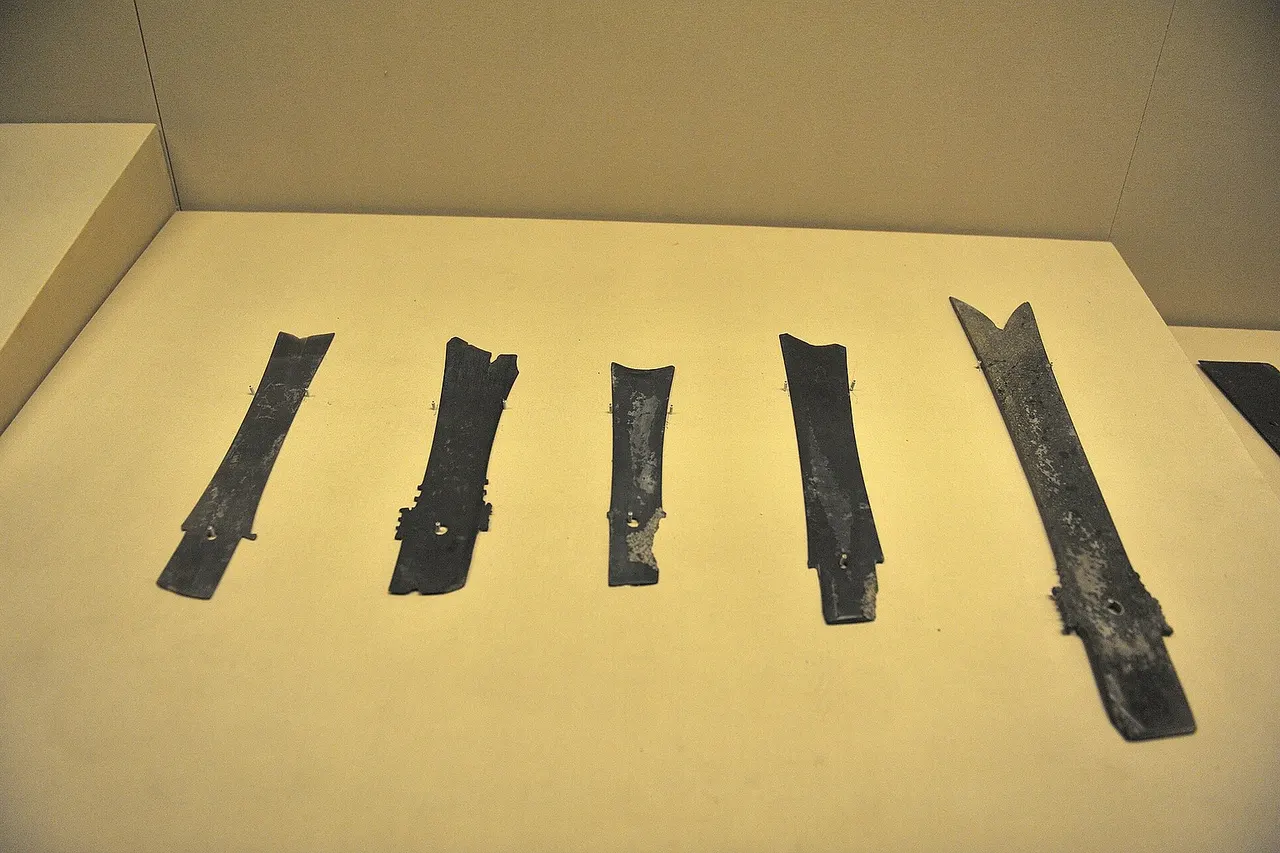

Thousands of years ago, early civilizations were emerging in what would become China. Among these was the Shimao culture, known for constructing large walls once mistaken as part of the Great Wall of China until jade artifacts revealed their greater antiquity.
The Shimao inhabited the Shaanxi region in central China between 2300 and 1800 BC. Due to the remoteness of this period, traditional archaeology has struggled to fully uncover their origins and societal details.
However, advances in DNA analysis have allowed researchers to gain new insights. A recent study published in the peer-reviewed journal Nature found clear evidence that the Shimao people practiced human sacrifice based on a gendered belief system. Women and men were sacrificed at different locations, likely for different reasons: male sacrifices were concentrated near an eastern gate, while female sacrifices occurred near elite cemeteries.
This discovery sheds light on the complex social and political structures of one of the earliest Chinese civilizations, revealing distinct gender roles in ritual practices.
Loading comments.