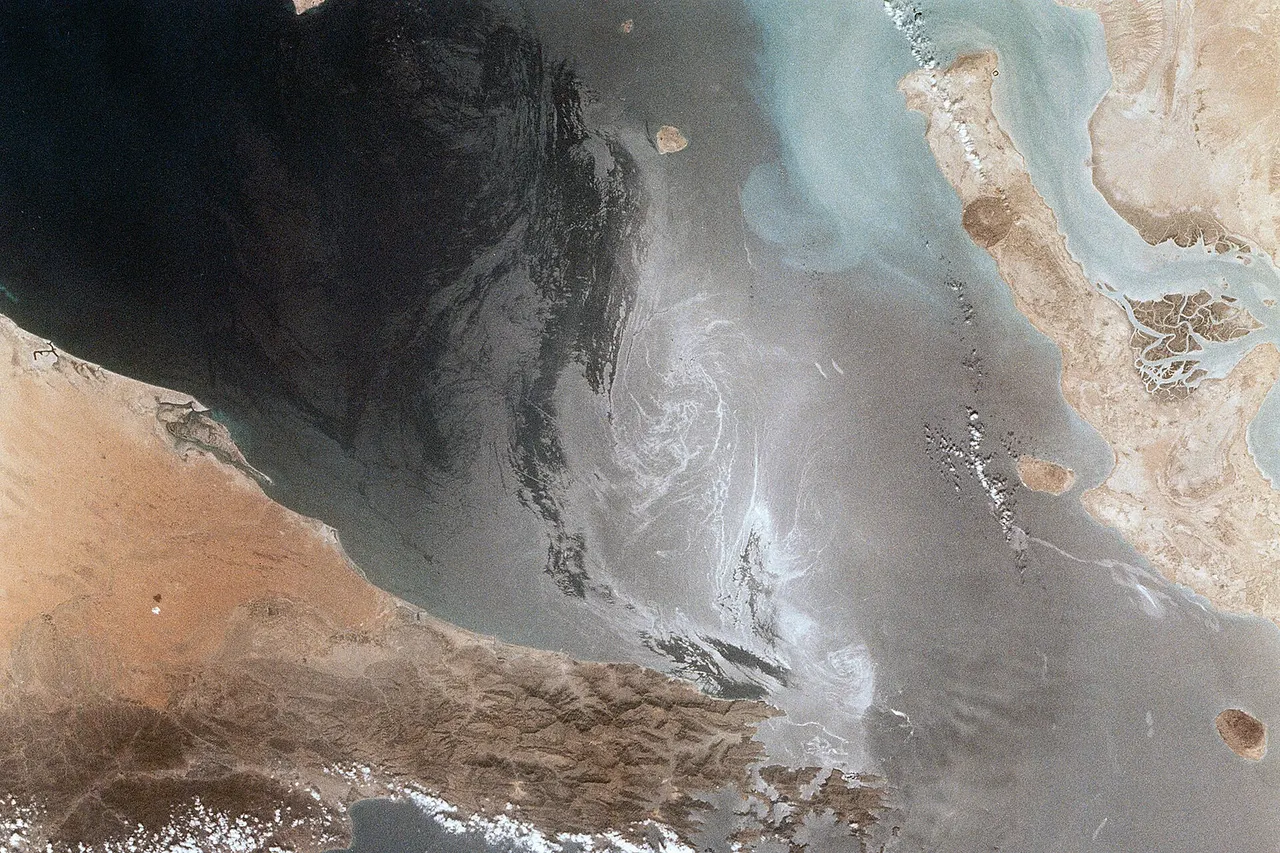

An analysis published by the International Trade Centre (ITC), in collaboration with the World Trade Organization (WTO) and UN trade and development body UNCTAD, reveals significant disruptions in trade through the Strait of Hormuz. This strategic waterway, located south of Iran, handles about one quarter of global seaborne oil trade and a substantial portion of liquefied natural gas and fertilizers, including one-third of globally traded urea.
Since a military escalation in late February 2026, commercial shipping has been severely affected by reduced passage, safety concerns, and increased transport and insurance costs. Although recent decreases in fighting have raised hopes for a resumption of normal shipping levels, traffic remains well below usual volumes.
The analysis focuses on 12 key energy, fertilizer, and industrial products supplied by Hormuz-dependent economies, which include Bahrain, Iran, Iraq, Kuwait, Qatar, Saudi Arabia, and the United Arab Emirates. Trade data from April 2026 shows a 21% decline in combined merchandise export value from these countries.
The largest losses were in energy exports: crude petroleum oil fell by 28 million tonnes, refined petroleum oils by 7.3 million tonnes, and liquefied natural gas by 5.5 million tonnes. In contrast, Thailand increased imports by 62%, as refiners sought alternative suppliers to maintain supply during the disruption.
Alternative suppliers increased shipments for 10 of the 12 products analyzed, but these gains only fully compensated for reduced imports from Hormuz-dependent economies in the cases of ammonia and polymers of propylene.
This situation highlights the vulnerability of global trade to disruptions at critical maritime chokepoints such as the Strait of Hormuz.
Loading comments.