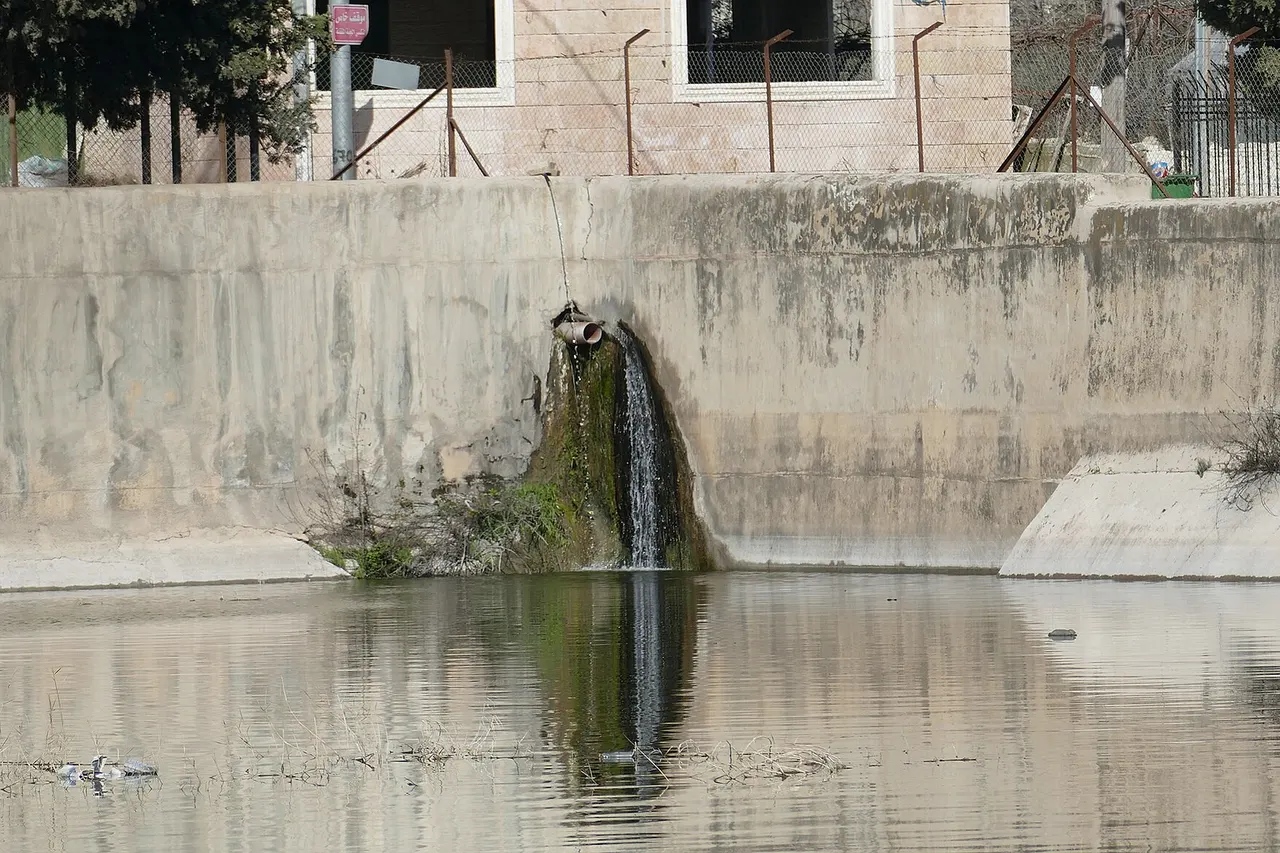

Solomon's Pools, a set of three ancient reservoirs built over 2,000 years ago to supply water to Jerusalem, have become the center of a dispute involving preservation, heritage, and sovereignty. Located between the Israeli town of Efrat and Bethlehem, the pools were placed under Palestinian Authority (P.A.) jurisdiction following the 1993 Oslo Accords.
Israeli officials from Efrat accuse the P.A. of neglecting the historic site, allowing it to fall into disrepair. Dovi Shefler, mayor of Efrat, told Fox News Digital, "Solomon's Pools are not only the history of the Jewish people in the Land of Israel and the source of Jerusalem's living water, but also the future of Efrat in our ability to exercise our sovereignty, preserve Efrat's development space and sustain tourism for all religions in the area between Jerusalem and Hebron."
Yonatan Marcus, chief of staff of the Efrat Municipality, said that during negotiations, then-Prime Minister Yitzhak Rabin ensured the pools would remain under Israeli control, alongside other significant archaeological sites such as Rachel's Tomb in Bethlehem. He described the reservoirs as the largest archaeological pools in Israel, strategically located between the Western Wall and the Cave of the Patriarchs and Matriarchs along Route 60, known as the Biblical Highway.
The pools date back to the Hasmonean period in the second century B.C. and were later expanded by Herod the Great (37–4 B.C.) to supply water to his palace-fortress at Herodium.
Yishai Fleisher, international spokesman for Hebron, likened the pools to rediscovering a lost part of the Jewish Temple, noting their historical role in supplying Jerusalem with water for about 2,000 years.
Recent visits by Israeli officials, including Finance Minister Bezalel Smotrich, have led to some improvements, with the P.A. reportedly removing approximately 200 bags of garbage from the site after years of neglect. However, signs in Arabic warn visitors that swimming is prohibited due to sewage contamination.
The P.A. has been accused of attempting to build a mosque at the site, with critics claiming the goal is to halt Israeli presence in Judea, Samaria, and the Land of Israel rather than to develop the area.
The dispute highlights broader tensions over control and preservation of sites with deep biblical and historical significance in the Holy Land.
Sources
- Fox News Latest (Amelie Botbol, August 4, 2026)
Loading comments.