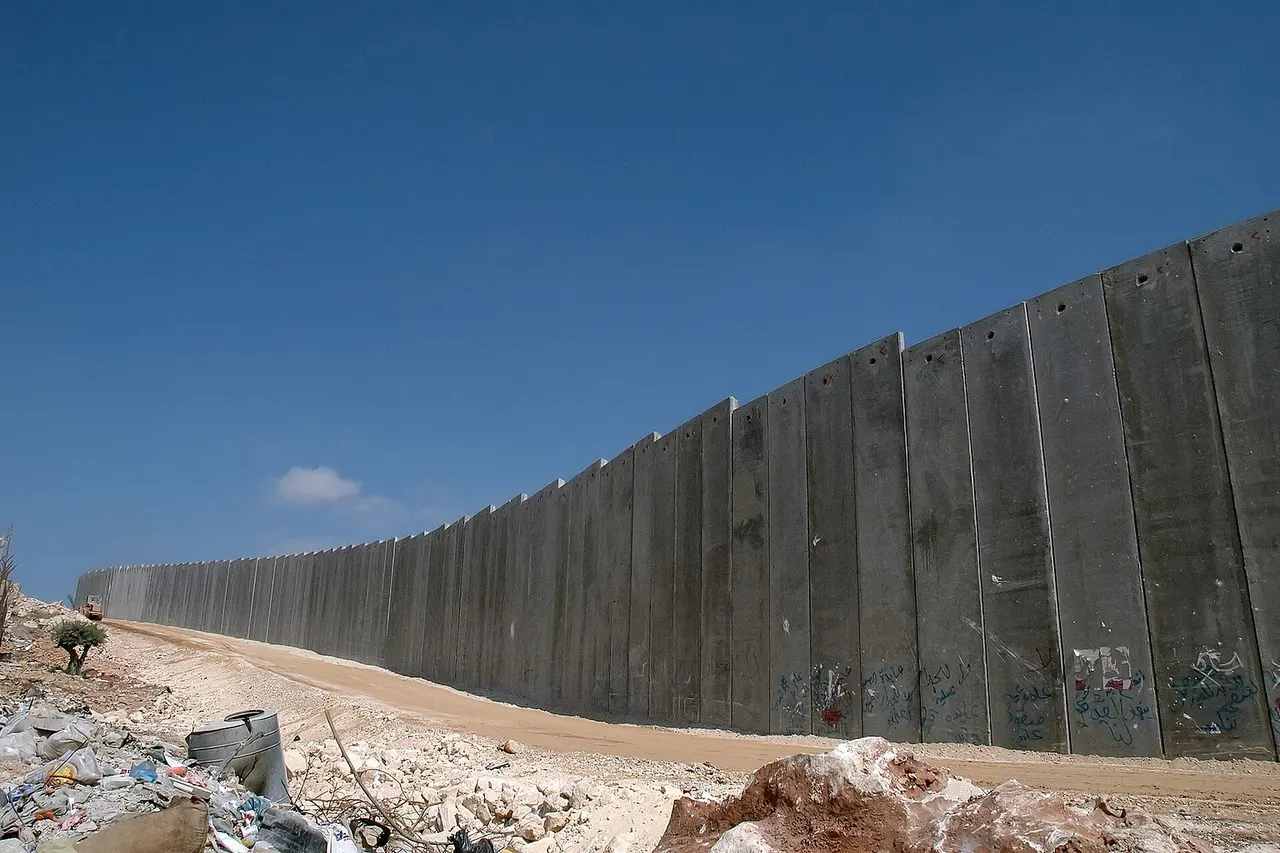

Every Palestinian born in the West Bank before the 1967 occupation has witnessed extensive changes to the region's landscape due to Israeli spatial planning, military closures, settlements, and infrastructure development. What was once a straightforward journey within the West Bank has become a complex and often hazardous undertaking.
For example, in the 1980s, traveling from Jerusalem to Ramallah involved a single highway and an Israeli army checkpoint at Qalandia refugee camp, with travel times ranging from 20 minutes to half an hour depending on conditions. However, even then, the proximity of Israeli settlements complicated navigation, as noted by a traveler who missed an exit and found themselves at another settlement within ten minutes.
Movement restrictions intensified following the October 2023 Hamas attacks on southern Israel. Prior to these events, approximately 193,000 workers from the West Bank and Gaza were employed in Israel or Israeli settlements, primarily in construction and agriculture, contributing 20 to 25 percent of the Palestinian GDP. After the attacks, Israel halted the crossing of these workers over the Green Line, citing security concerns, despite offering no evidence linking Palestinian workers to the attacks.
These restrictions have made daily life more difficult for Palestinians and disrupted economic activity, though the Israeli government maintains these measures are for security purposes.
Sources
- Al Jazeera, "How Israeli restrictions on Palestinians’ movement break up the West Bank," August 5, 2026, by Joost Hiltermann Read more
Loading comments.