
Nearly 50 million additional people in highly vulnerable communities worldwide are at risk of acute hunger due to the strengthening El Niño weather phenomenon, the UN World Food Programme (WFP) announced on Wednesday, August 5th, 2026.
The WFP and partners are intensifying efforts in eight countries to protect communities already grappling with poverty, conflict, unemployment, and repeated climate extremes. Their priorities include preparing for floods, droughts, and storms before they occur.
“El Niño is a massive threat to the food security of millions who are already vulnerable,” said Carl Skau, WFP’s Acting Executive Director. “The sooner we help families to prepare for these climate shocks, the greater our ability to save lives and protect livelihoods.”
Acute hunger describes individuals unable to meet their daily food needs. Starting in September 2026, approximately 49 million more people could face this condition.
After analyzing 45 countries already considered food insecure—where El Niño is expected to significantly affect rainfall, temperatures, floods, and droughts—the WFP projects the total number of acutely food-insecure people to rise from 225 million to 274 million, an increase of about 22%.
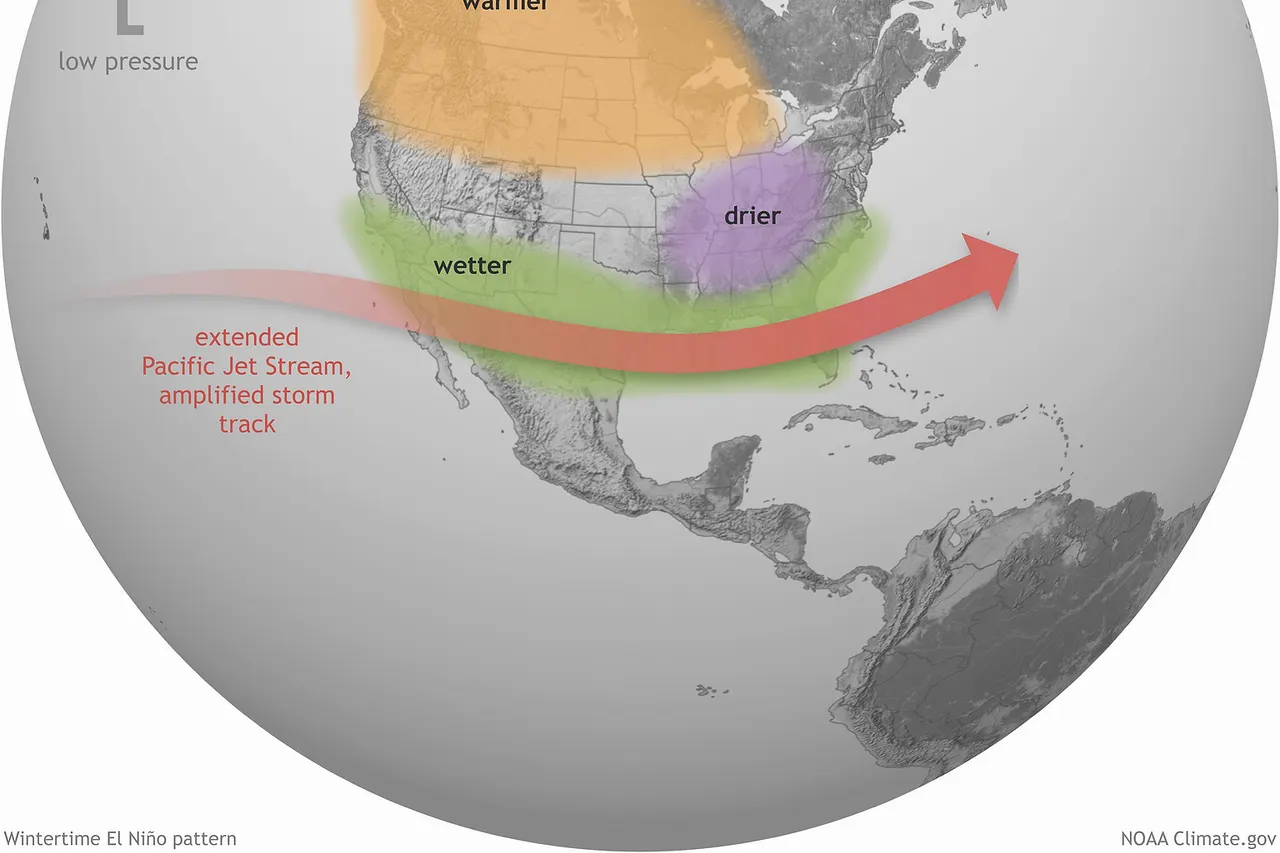
The impacts of El Niño vary: some countries are experiencing below-average rainfall, flooding, and unusually hot temperatures, while others may face worsening conditions during upcoming planting seasons and harvests.
The WFP and the Food and Agriculture Organization of the United Nations (FAO) have appealed for increased support to help at-risk communities prepare for El Niño, aiming to protect lives, livelihoods, and food security before emergencies escalate.
El Niño is expected to peak between September and December 2026, with effects lasting throughout 2027 in many countries due to impacts on future harvests. “Drought, flooding and extreme temperatures are already putting communities at risk,” the WFP warned.
Loading comments.