A significant mineral deposit, known as the "Centenary Zone," was discovered in 1983 beneath the streets of Broken Hill, an outback mining city in Australia. Despite its proximity to existing operations, the deposit remained largely inaccessible due to a complex geological barrier.
Broken Hill Mines, which took over the mine in 2024, has recently reported progress in accessing this resource. Patrick Walta, executive chair of Broken Hill Mines, said the company drilled approximately 13 holes, each over a kilometre long, from the surface into the deposit. They successfully intersected the Centenary lode, estimating a resource of about 5 million tonnes with an eight to nine percent zinc equivalent concentration.
However, drilling efforts were complicated by the Glove-Vauxhall Shear, a geological shear zone several meters thick where the rocks have been crushed and pulverised, making it extremely difficult to drill through. Dr Close described the shear zone as "very, very difficult to drill," noting that drill rods often get stuck, which had prevented proper testing for over 43 years.
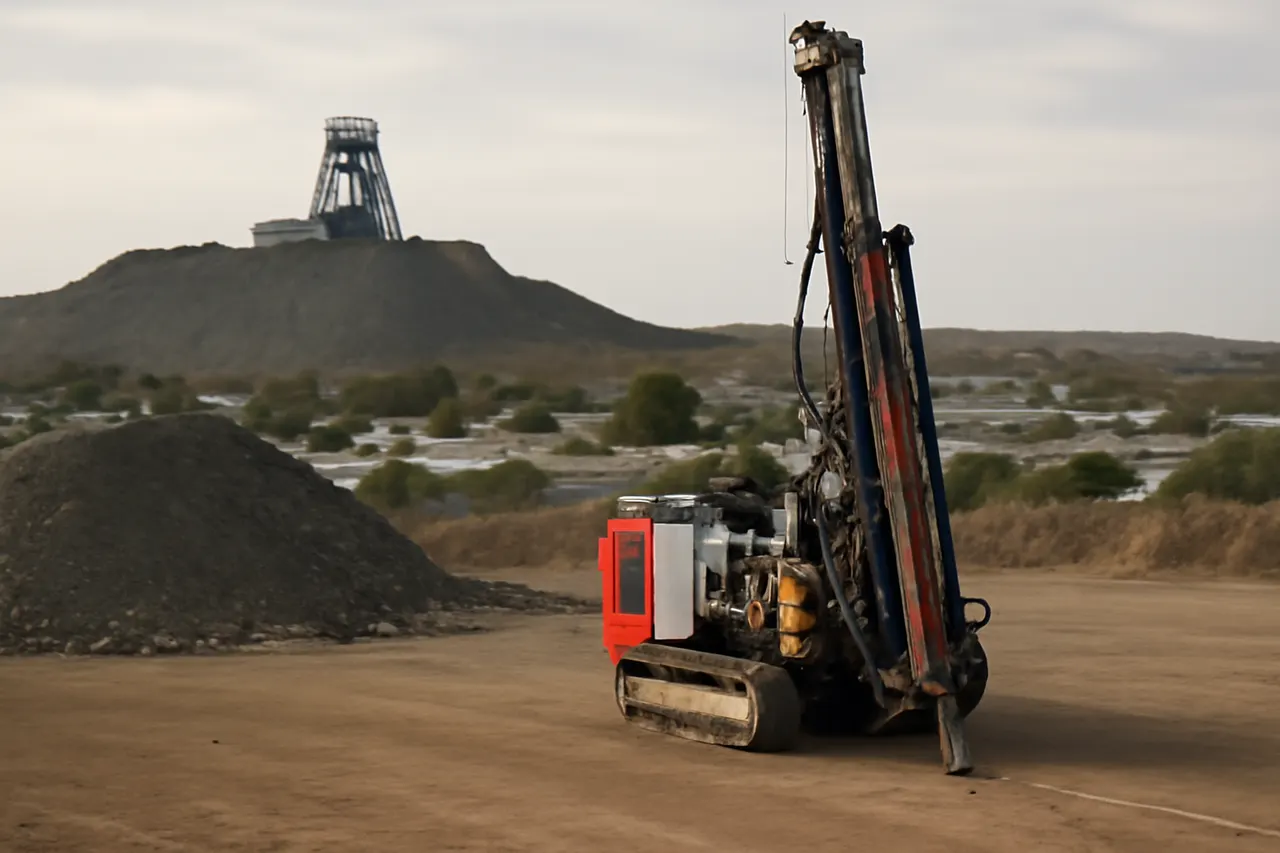
To overcome this, Broken Hill Mines' geology team devised a groundbreaking solution involving the insertion of a wide diameter hole through the shear zone, which is then cased to allow smaller daughter holes to be drilled beyond it. This targeted drilling technique aims to bypass the problematic shear zone.
Mr Walta expressed optimism about the potential scale of the resource, stating, "It's clearly going to be much larger than the existing five million tonne resource … if we can get the drill [to] 10, 15, 20, 20 plus million tonnes, it has massive implications for [the company]."
Dr Close highlighted the ongoing challenge of developing infrastructure through the difficult shear zone to enable equipment access and ventilation shaft construction.
This advancement could significantly extend the mining future for Broken Hill Mines and the region if successful.
Loading comments.