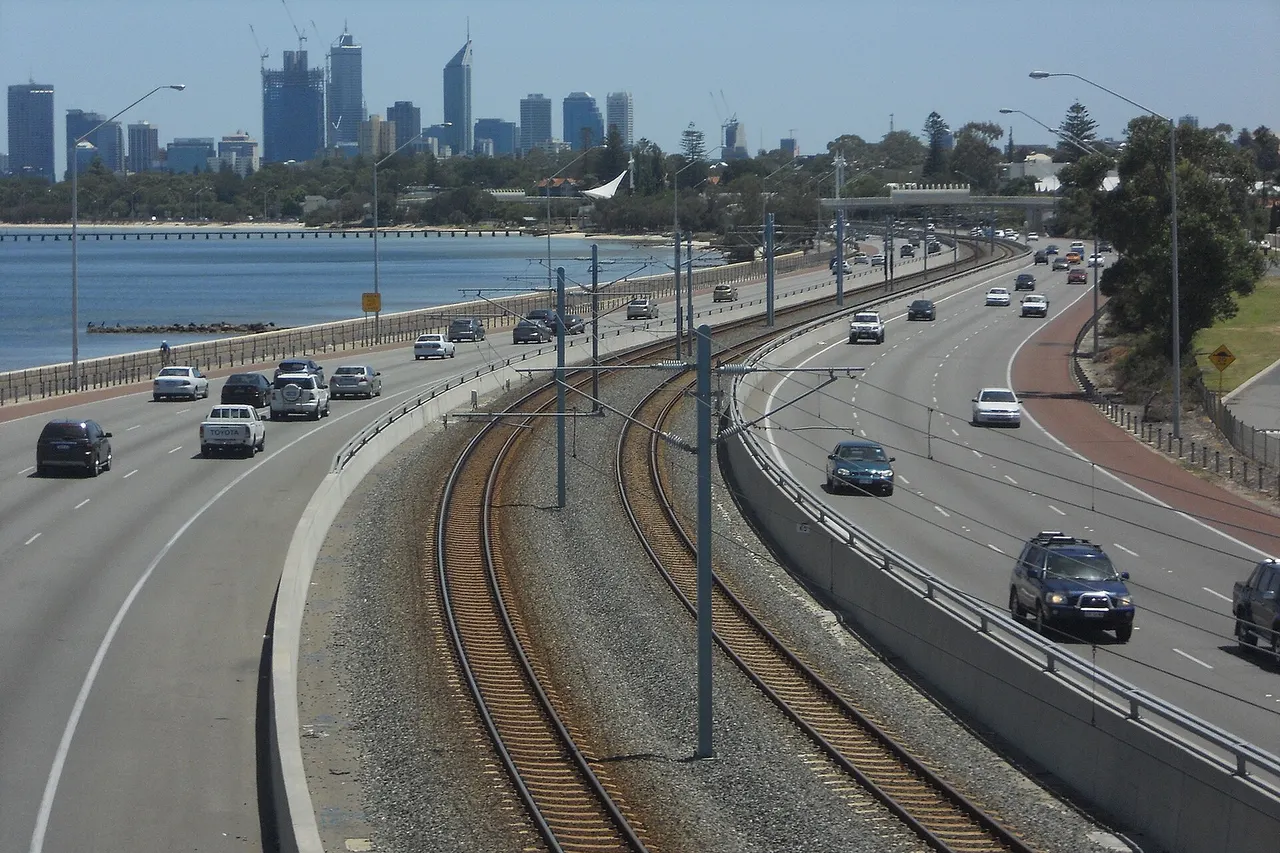

At 6am on Monday, August 10th, 2026, truck driver Carolus Broers prepared to deliver petrol from a fuel depot in Perth's southern suburb of Kwinana to a service station in Ascot, less than 50 kilometres away. However, as he entered the Kwinana Freeway, traffic had already come to a halt, forcing his truck to crawl at speeds below 20 km/h for 45 minutes.
Kwinana is a critical industrial region supplying essential goods and services to Perth and beyond. "The fuel for your cars comes out of Kwinana. The fertiliser to grow our food comes out of Kwinana. Even the oxygen going into our public hospitals comes out of Kwinana," said David Harrison of the Kwinana Industry Council. He warned that the region will be "completely unrecognisable" in a few years and stressed the importance of maintaining efficient operations. "These roads are the arteries of industry. They have to continue to function," Harrison added.
The congestion is already impacting transport operators, driving up costs, delaying deliveries, and causing driver fatigue. Waste management company Veolia operates around 200 trucks daily, collecting kerbside rubbish and transporting it to Kwinana's landfill and waste-to-energy facilities, highlighting the volume of industrial traffic reliant on these routes.
With approximately 1,200 personnel, including civilians, contractors, and families, the area is a significant hub of activity. The ongoing and anticipated disruptions linked to the Kwinana Freeway are unprecedented. "This is off the charts. We have never seen anything like it and we have never done anything like it," said a local source.
Transport operators and industry representatives are bracing for at least another decade of disruption as infrastructure projects and increased traffic volumes continue to challenge the region's road network.
Loading comments.