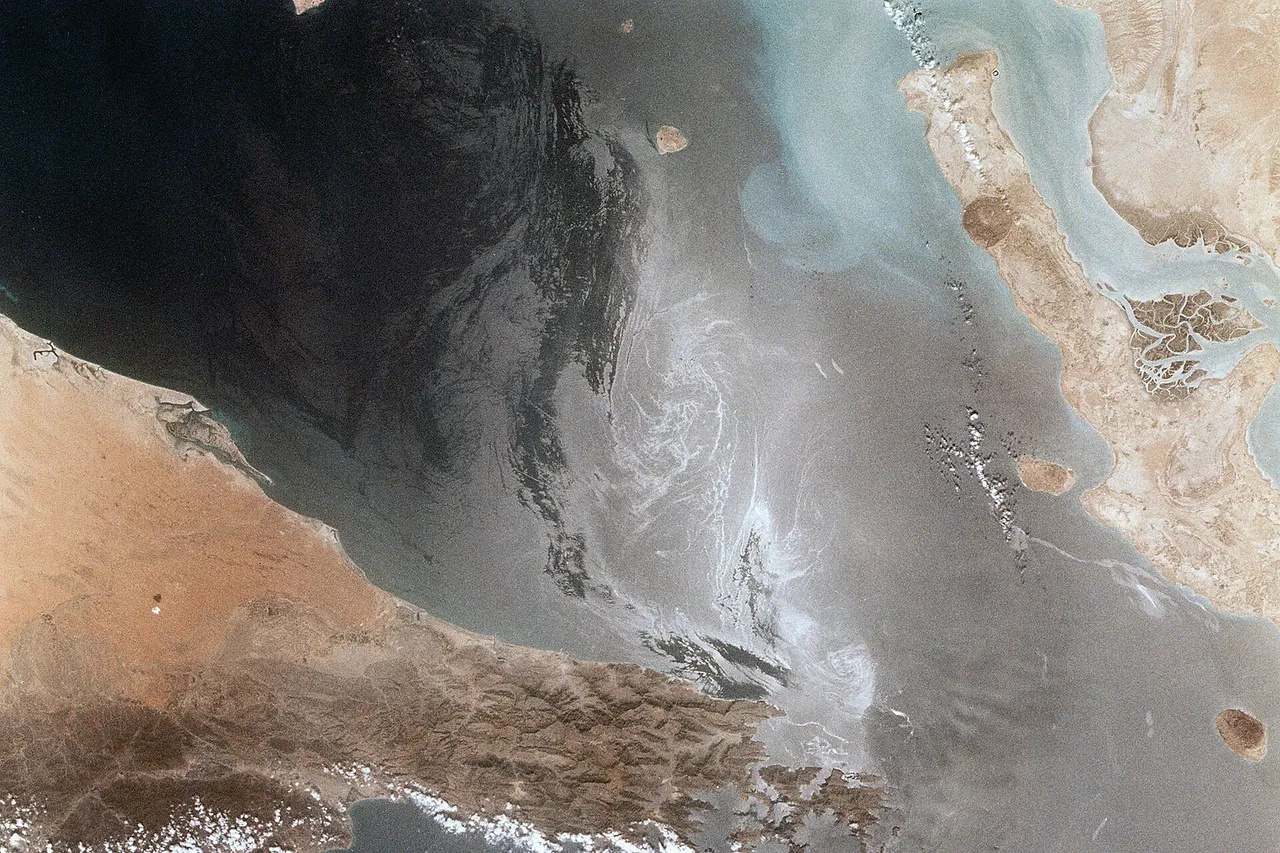

A deal between Iran and Oman to reopen the Strait of Hormuz is at risk of collapse amid steep demands from both Tehran and the United States. Iran stated on Sunday, August 10th, 2026, that the agreement to establish new shipping lanes was in its final stages but emphasized the waterway would only reopen once Washington fulfilled specific conditions. These include the withdrawal of the U.S. naval blockade, compensation for war damages, unfreezing Iranian assets, lifting sanctions, and a permanent end to conflicts against Iran and its regional allies.
In response, President Trump on Monday, August 11th, 2026, demanded compensation from Iran for "all of the people that they have killed and gravely wounded with their roadside bombs and many conflicts," as well as for families of protestors killed by the Iranian government over the past 50 years. He later expanded his demands to include responsibility for "the damages and death caused to the people of Lebanon, Syria, Yemen, and Gaza!" Trump wrote on Truth Social, "I have instructed my representatives to put this firmly into any, and all, future negotiations."
This tit-for-tat exchange threatens to derail progress in the Iran-Oman talks, as the Trump administration presses for its own concessions while Tehran's demands largely align with the framework of an initial deal signed with Washington in June. Jason Campbell, a senior fellow at the Middle East Institute, commented, "Today’s response sounded to me like frustration kind of seeping out, understandably, because he’s in a pretty difficult position right now. It’s going to be very difficult for him to claim any kind of a victory if, after all of this, the strait is reopened, but Iran now has more leverage over the strait, is now able to support itself better from the economic benefits of the strait. It’s so close to the midterms, it’s going to, in essence, look like a loss for Trump."
Although Iran and the U.S. are not engaged in direct talks, they are exchanging messages through intermediaries, according to Abbas Araghchi, the Iranian foreign minister.
Loading comments.