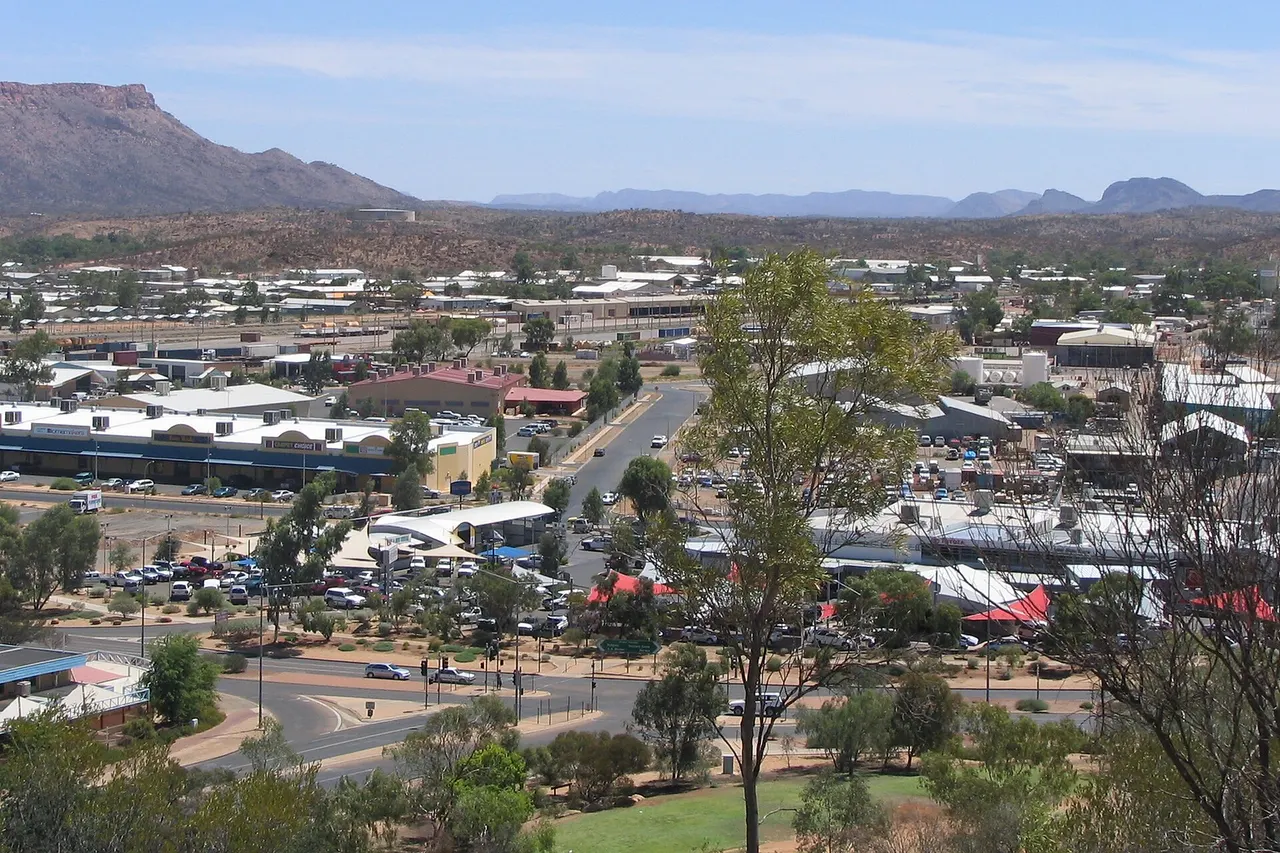

Researchers, health practitioners, and experts met in Alice Springs on Wednesday, August 12th, 2026, for the inaugural Central Australian Heat Resilience Summit to develop strategies for coping with a hotter future in the region amid a predicted El Niño weather event.
Extreme heat impacts many aspects of life in Central Australia, including health, housing, homelessness, the environment, and crime, especially affecting those living in poverty. Alice Springs experienced 63 days last year with temperatures at or above 40 degrees Celsius, and early indications suggest that above-average and unusually high temperatures are expected for the upcoming early summer.
Jon Swain, a climate and homelessness researcher and Churchill Fellowship recipient in 2024, presented at the summit. He highlighted that Australia's work addressing the intersection of heat and homelessness is still in its infancy and emphasized the important role of local government in fostering partnerships. Swain stated, "Homelessness has always been a public health emergency."
Swain is collaborating with the Northern Territory's peak homelessness body, NT Shelter, and Anglicare to shape responses for Central Australia, where homelessness rates remain above the national average.
The summit's steering committee, formed just months prior, was created in response to the "glaring need" for a locally-led, evidence-based, multi-agency approach to heatwave management, heat resilience planning, and long-term climate adaptation. Alice Springs Mayor Asta Hill noted the urgency, referencing the summer of 2024-2025 as the hottest year on Earth, during which Central Australia recorded 100 days of the hottest temperatures in history with an average maximum of 40 degrees Celsius.
With the likelihood of unusually high minimum temperatures increasing compared to spring, the summit aims to develop local solutions to mitigate the impacts of extreme heat on vulnerable populations.
Loading comments.