.jpg)
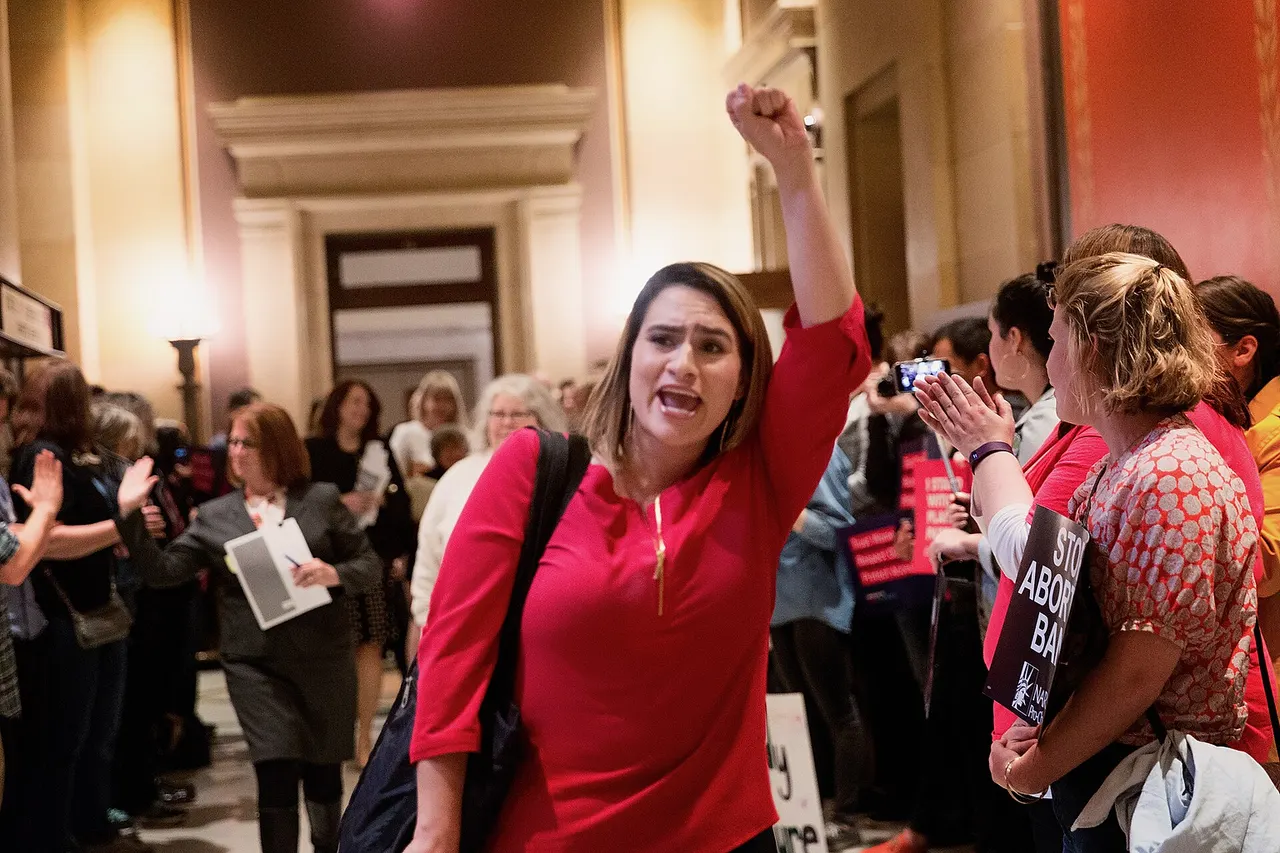
On Tuesday, August 12, 2026, Minnesota’s lieutenant governor Peggy Flanagan defeated incumbent Angie Craig in the Democratic primary, marking a significant victory for the progressive wing of the party. Flanagan, supported by prominent progressives including Bernie Sanders and Ilhan Omar, has positioned herself as a candidate advocating for Medicare for All and an end to military aid to Israel.
Flanagan has also pledged to challenge Immigration and Customs Enforcement (ICE) following two deadly immigration enforcement-related shootings in Minnesota. She differentiated herself from Craig by criticizing Craig’s support for legislation such as the Laken Riley Act.
According to Federal Election Commission filings, Craig raised nearly $13 million during this cycle, while Flanagan raised just under $7 million. Despite the fundraising gap, Flanagan’s win is seen as a blow to Senate Majority Leader Chuck Schumer’s establishment, with Bernadette Breslin, spokesperson for the National Republican Senatorial Committee (NRSC), stating, "Morale among Chuck Schumer’s establishment is at an all-time low, and Bernie Sanders’ socialist flank is filling the gap with candidates like Peggy Flanagan and Abdul El-Sayed."
Tim Scott, chair of the NRSC, expressed optimism about the Minnesota race, saying, "The one thing that gets me excited when I think about this election cycle on the map is Minnesota."
This primary victory is part of a broader progressive proxy war to reshape the Democratic Party during the 2026 midterm election cycle. It remains uncertain which battleground states Democrats will need to divert resources from to support candidates like Flanagan and Abdul El-Sayed in the November general elections. Notably, Michigan is also in play, where socialist Abdul El-Sayed won the Senate primary, a development Republicans reportedly welcomed.
The outcomes in Minnesota and Michigan were unexpected challenges for Schumer’s campaign strategy this cycle.
Loading comments.