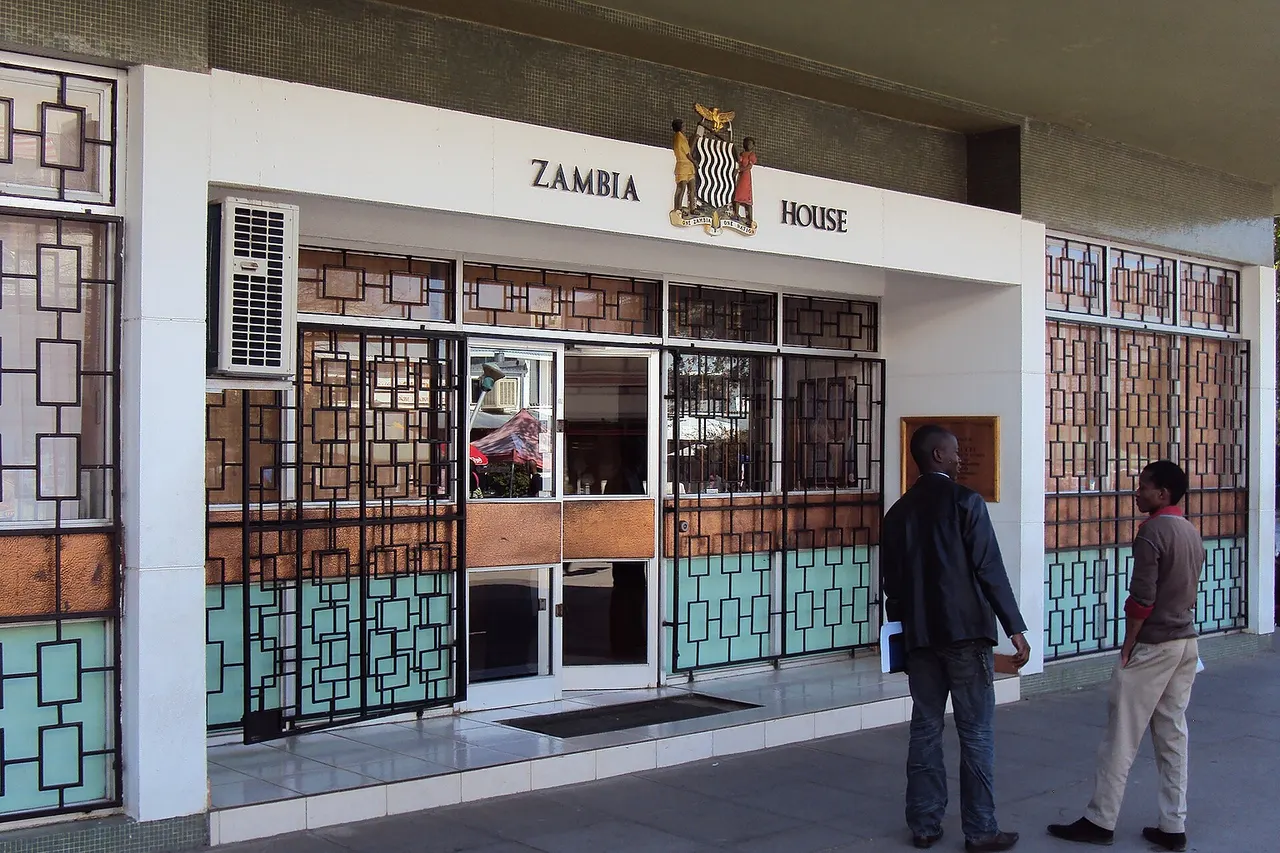

Lusaka, Zambia – On Thursday, August 13, 2026, approximately 8.79 million registered voters in Zambia will participate in general elections seen as a critical test of whether years of economic reform have improved everyday life.
Fourteen presidential candidates are contesting the election, including incumbent Hakainde Hichilema, leader of the governing United Party for National Development (UPND), seeking a second term, and Brian Mundubile of the opposition Tonse Alliance.
Hichilema’s government highlights progress in economic reforms such as debt restructuring and the completion of an IMF-supported program. Inflation dropped to 6.8 percent in April, according to the Zambia Statistics Agency. However, high costs for food, fuel, and electricity continue to strain households.
Joan Chirwa, a human rights defender and veteran journalist who founded the Free Press Initiative, said many citizens have yet to experience tangible improvements in their daily lives. She told Al Jazeera, “The central question coming from voters is increasingly whether the economic reforms of Hichilema’s first term have translated into tangible improvements in household incomes and living conditions.”
Chirwa acknowledged the progress in debt restructuring and the IMF program but noted that macroeconomic stability has not necessarily improved household welfare due to persistent high living costs.
Commenting on the mining sector’s role, Muzengeza emphasized that voters, especially in the Copperbelt region, want to see if mineral wealth is generating secure jobs, local procurement opportunities, stronger communities, and adequate public revenue.
Notably, Hichilema was arrested and detained on treason charges in 2017 before his release.
Loading comments.