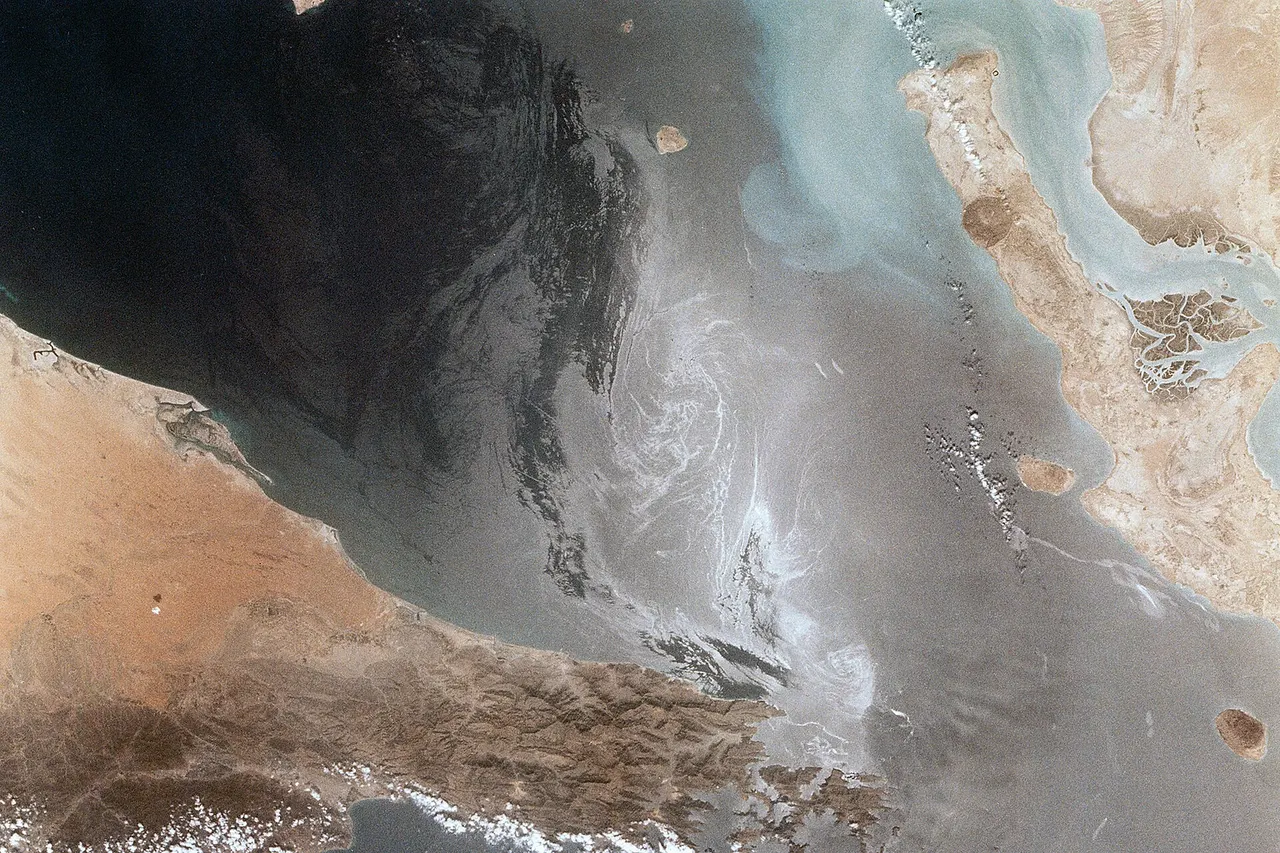

On Wednesday, August 12, 2026, President Donald Trump declared on social media that the United States has "total control" over the Strait of Hormuz, a critical maritime chokepoint, adding emphatically, "I THINK WE WILL KEEP IT."
This assertion comes amid ongoing tensions with Iran. The Persian Gulf Strait Authority countered U.S. claims, stating in a public message that the Strait remains blocked and will not reopen until Iran's conditions are met.
In related developments, U.S. and Turkish intelligence agencies uncovered a credible Iranian plot to fire a surface-to-air missile at Air Force One during President Trump's departure from the NATO summit in Ankara on July 8, 2026. The president was covertly transferred from Air Force One to another plane via a catering truck as a security measure. Reports also indicated a team in Turkey was assigned to execute the missile attack.
Additionally, the U.S. military is on track to withdraw all forces from Iraq by the end of September 2026, ending a presence that began with the 2003 invasion against Saddam Hussein.
Iranian official Rezaei, wanted by Argentine authorities for involvement in a 1994 deadly attack on a Jewish center in Buenos Aires, is noted for controversial statements during his presidential campaigns, including proposals to take American soldiers hostage for ransom.
Meanwhile, Pakistan and other parties reportedly agreed to extend a 60-day ceasefire linked to a memorandum of understanding signed in June, though Iran disputes the validity of this extension, accusing the U.S. of violating the interim agreement shortly after it was reached.
These events highlight the complex and volatile geopolitical landscape surrounding U.S.-Iran relations and regional security.
Loading comments.