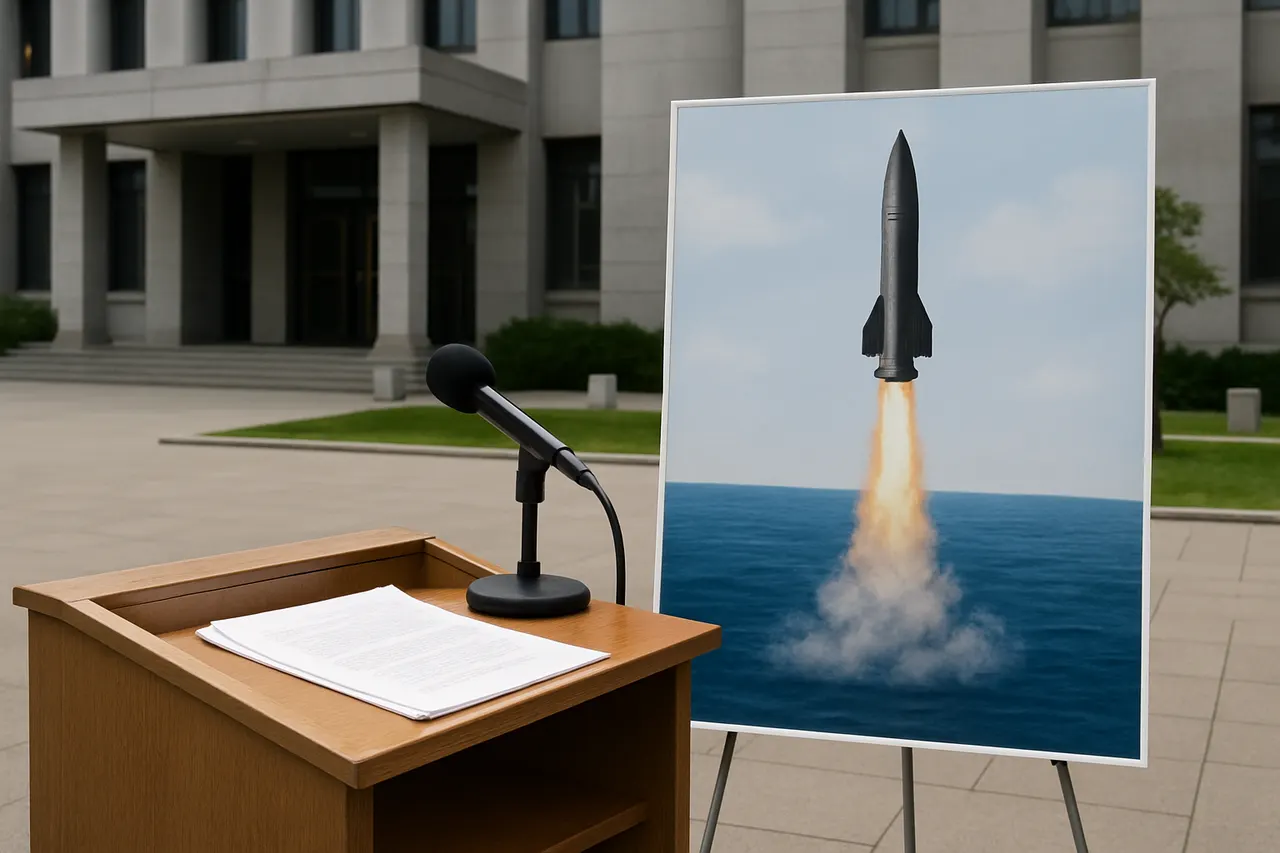
China's military test-launched a long-range ballistic missile carrying a dummy warhead on July 6, 2026, from one of its nuclear-powered submarines in the South Pacific. The launch occurred at 12:01 pm local time and was part of China's annual military training exercises, described by state media as routine and not directed at any specific country or target.
The Chinese government informed regional governments about the test hours before it took place. Acting Australian Prime Minister Richard Marles confirmed that Australia was briefed by China and expressed that Australia is "very concerned" about the test. Australian Foreign Minister Penny Wong called the missile test "destabilising to the region" during remarks in Fiji.
New Zealand's government also stated it was informed hours in advance and noted the missile was fired into the South Pacific Nuclear Free Zone, established by the 1986 Treaty of Rarotonga, which prohibits nuclear weapons in the region. Foreign Minister Winston Peters of New Zealand expressed concerns that China carried out the test shortly after notification.
Japan raised grave concerns over increased Chinese military activity, with its coastguard being notified about potential falling space debris within its exclusive economic zone.
The missile test coincided with Australia signing a landmark defence treaty with Fiji, known as the Ocean of Peace alliance, aimed at limiting Beijing's security influence in the region. However, Acting Prime Minister Marles stated he did not believe the missile test was a response to the new pact. Fiji's Prime Minister Sitiveni Rabuka said he was not expecting problems arising from the test.
Maritime intelligence firm Starboard reported that China currently has two satellite tracking vessels in the Pacific, likely to monitor the missile test.
Several Pacific nations had criticized China for a similar ballistic missile test in 2024, which was the first such test in the Pacific for decades.
Loading comments.