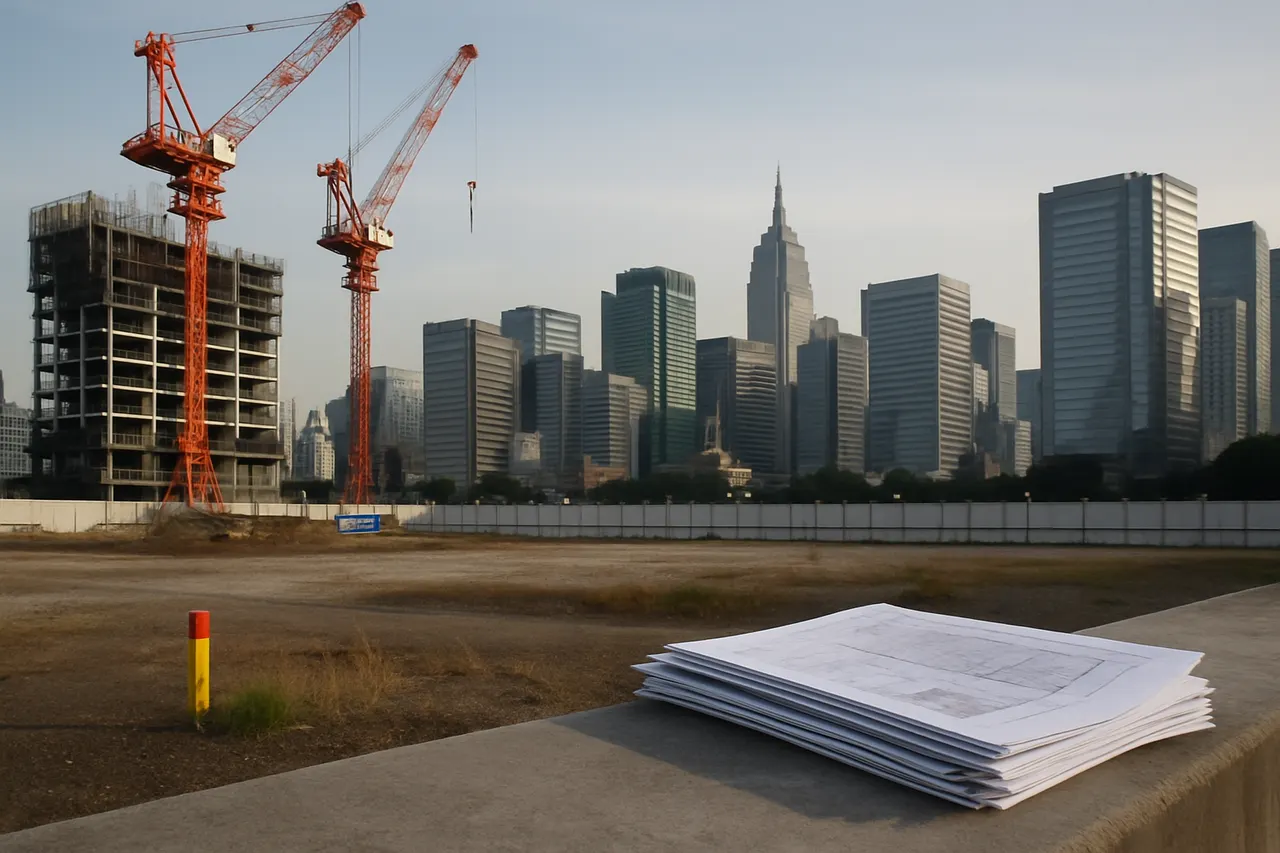
Tokyo and Osaka are experiencing a surge in luxury real estate demand, driven in part by increased cash purchases and a shift in foreign investment patterns, including Taiwan’s growing wealth flows into Japan as mainland Chinese investors retreat. This property boom has contributed to rising land prices in Japan for the fifth consecutive year.
Despite these trends, senior economists Koon Hui Tee and Shunsuke Endo of the ASEAN+3 Macroeconomic Research Office emphasize that Japan can still preserve housing affordability and market stability through close coordination among relevant agencies. Tokyo is also considering zoning rule changes in areas like Shibuya to promote more affordable housing options.
Additionally, Japan is planning a significant expansion of MetroResidences to better accommodate expatriates, reflecting broader immigration trends. These developments occur within a complex regional and global context, including ongoing economic ties between Japan and the UAE and discussions on European security amid the war in Ukraine.
The economists’ analysis suggests that while the property boom warrants attention, it should be viewed as a warning rather than an immediate crisis.
Loading comments.