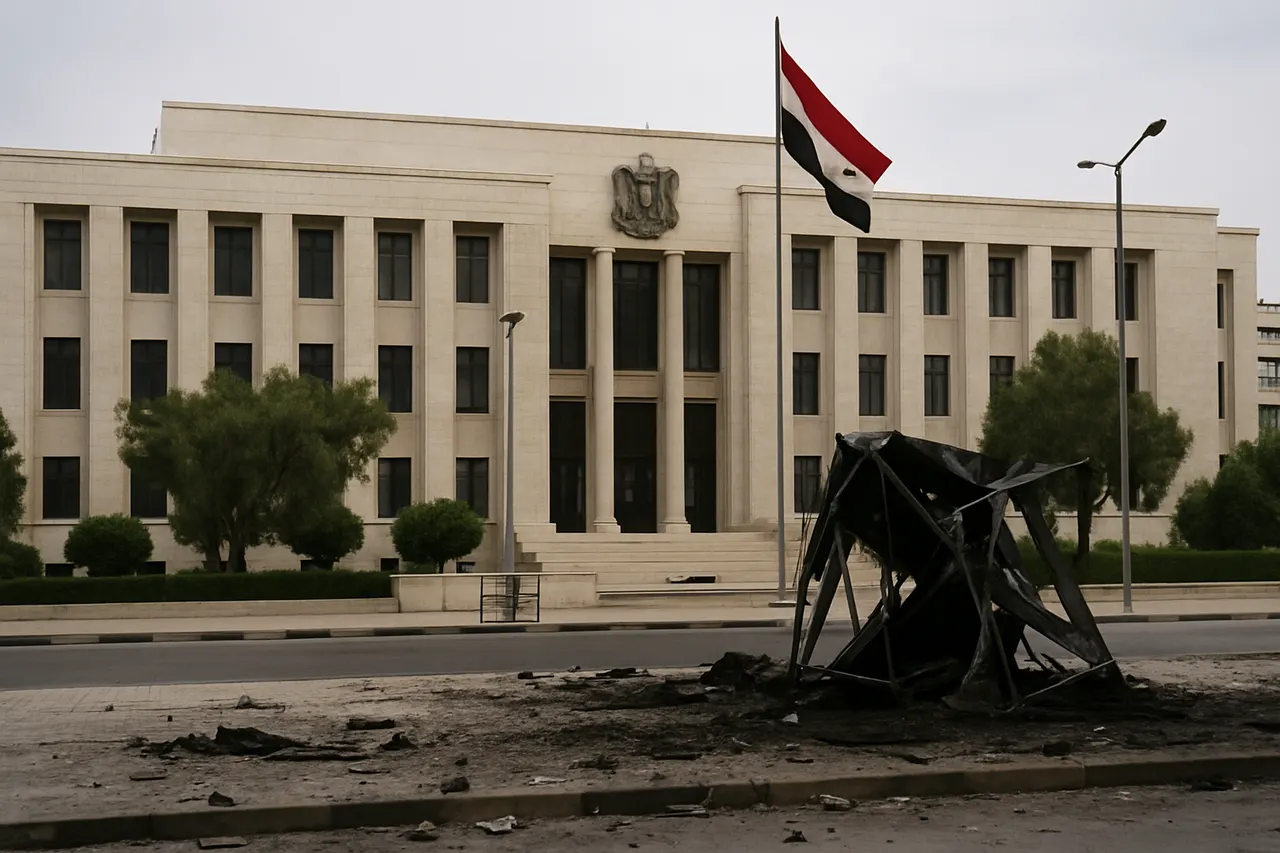
Damascus experienced twin explosions on Tuesday during a visit by French President Emmanuel Macron, the first European Union leader to visit Syria since forces led by President Ahmed al-Sharaa deposed Bashar al-Assad in December 2024. The blasts injured eighteen people after an initial device being defused near Macron’s hotel detonated, followed by a second explosion minutes later, according to the state news agency SANA.
This incident follows a separate bomb explosion at a Damascus cafe last week that killed at least nine people.
Nanar Hawach, a senior analyst with the Crisis Group, stated that “Damascus controls most of Syria in formal terms, including the main cities and the northeast after the January integration deal,” but noted that government control is strongest in western and central areas and weakest along the southern border and in Druze-majority regions.
Tensions escalated in July 2025 when fighting between Druze and local Bedouins led to open conflict, prompting Israel to intervene by shelling Suwayda, a Druze-majority city, after Syrian government forces entered the area.
Earlier this week, Rami Makhlouf, a billionaire cousin of al-Assad who has reportedly been funding Alawite forces from exile in Moscow, issued a video that appeared to threaten the Damascus government.
In June 2025, US President Donald Trump surprised many by waiving sanctions on entities deemed critical to Syria’s development, government operation, and social rebuilding, as stated by the US Department of the Treasury.
These events underscore the fragile stability in Syria amid ongoing unrest and political challenges.
Loading comments.