The 2026 World Cup marked a historic milestone with nine African teams advancing to the knockout stage, surpassing the previous record of two. However, the tournament's media coverage has drawn criticism for racist undertones, particularly in commentary about African teams and Black players.
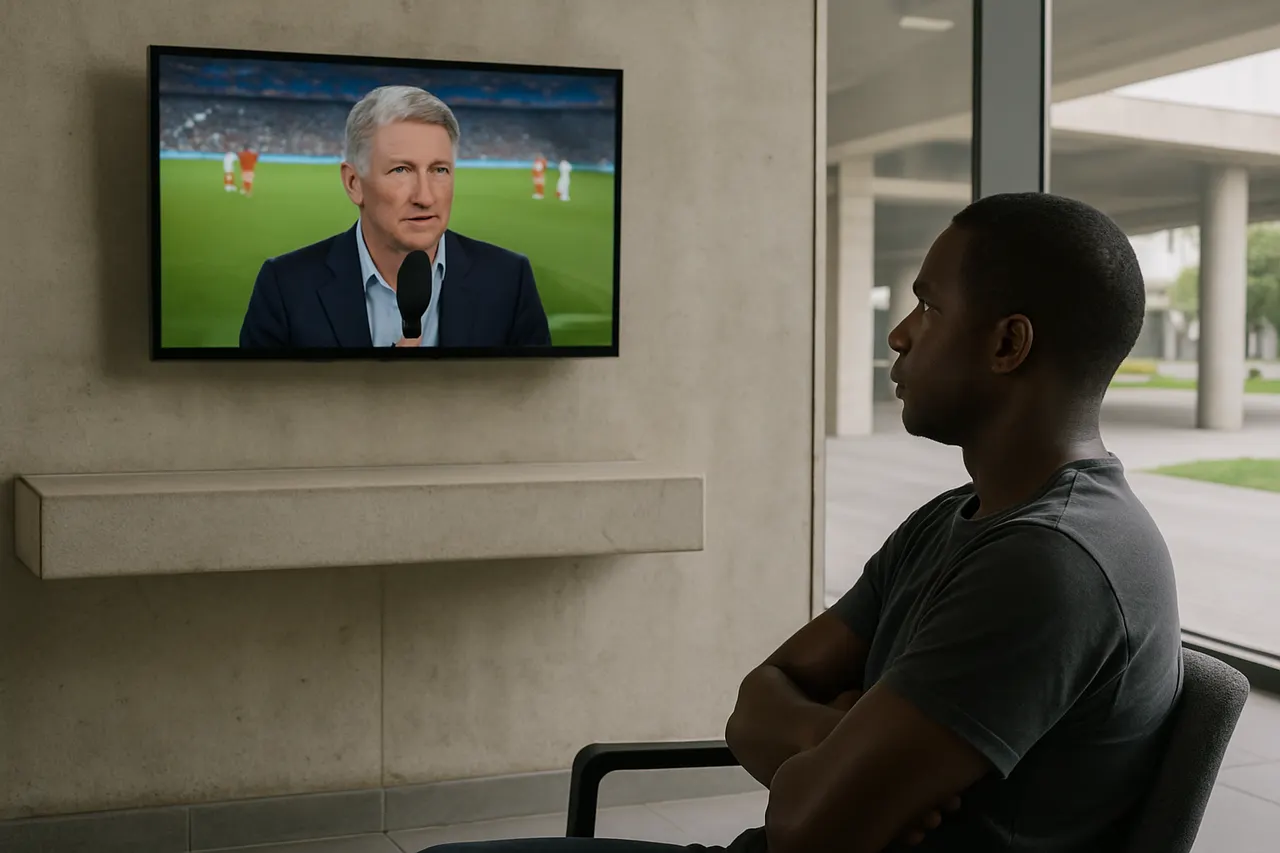
Former Germany player and TV pundit Bastian Schweinsteiger sparked controversy during the group stage when previewing Germany's match against Côte d'Ivoire. He described the Ivorian team as playing "a bit African football, a bit unorthodox, a bit wild, a bit perhaps also not so conditioned by tactics." Côte d'Ivoire's coach Emerse Faé labeled these remarks as racist. Schweinsteiger responded by stating he was "talking about football, not about people" and that his comments were a "football analysis."
Dr Paul Ian Campbell, Associate Professor in the Sociology of Race Equity at the University of Leicester, said Schweinsteiger's comments reflect entrenched perceptions of Black African football as "underdeveloped and being more primitive." Similarly, Dr Jacco van Sterkenburg, Professor of Race, Inclusion and Sports and Media at Erasmus University Rotterdam, noted that commentators often rely on "racist colonial discourses," especially under the pressure of fast-paced broadcasting.
Additional incidents include former Yugoslavia striker Rade Bogdanović apologizing for remarks on Serbian TV claiming "Black players lack concentration beyond 60 to 80 minutes."
FIFA's Social Media Protection Service reported that during the group stage, 89,000 posts were verified as abusive, underscoring the broader issue of racism surrounding the event.
These developments have raised concerns about the damaging impact of racial stereotypes on athletes' leadership opportunities and the wider Black communities.
Loading comments.