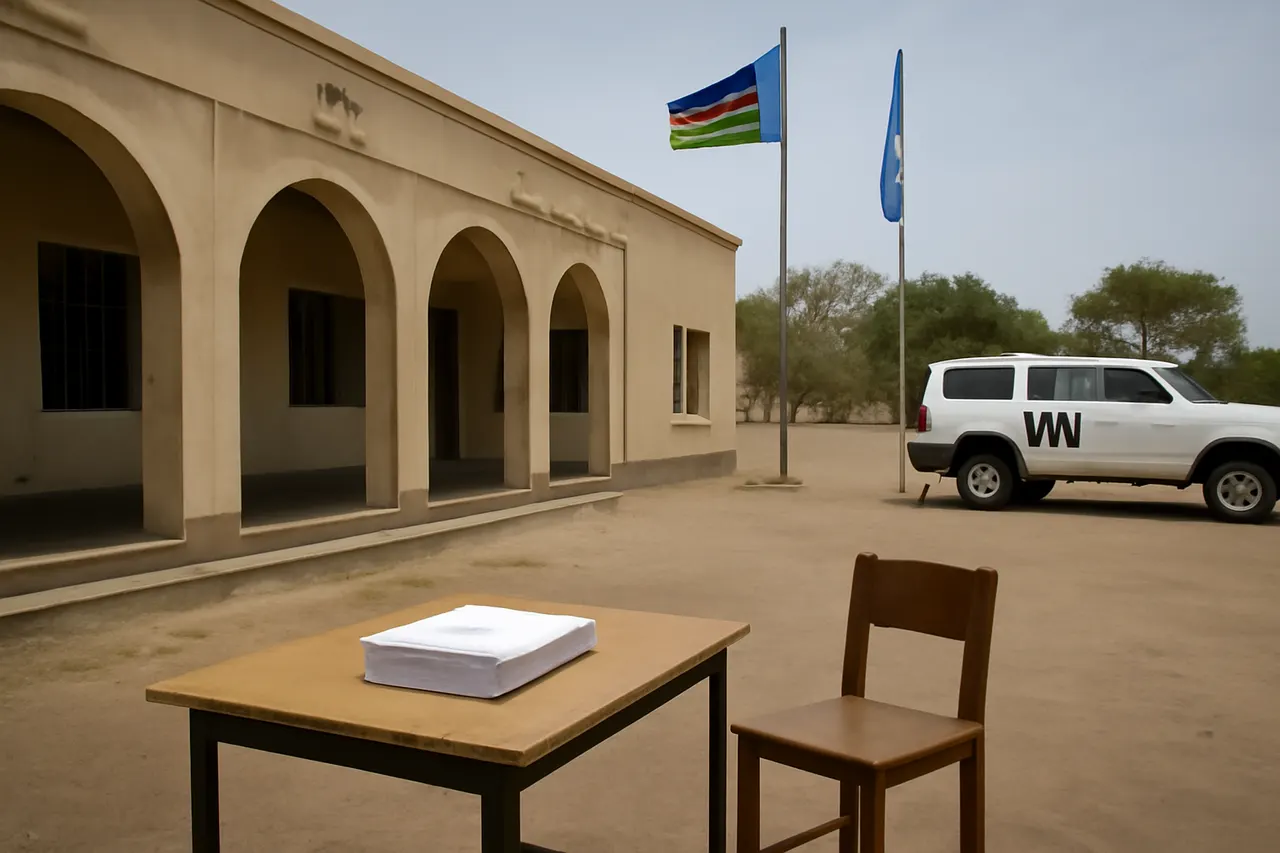
As drought risks escalate in South Sudan’s Eastern Equatoria state, the UN World Food Programme (WFP) and the Government of South Sudan have activated the country’s first-ever drought anticipatory plan. The initiative targets more than 65,000 people in Budi and Kapoeta North counties, aiming to mitigate the worst impacts before the crisis deepens.
Anticipatory action involves triggering humanitarian assistance ahead of a crisis to safeguard lives, food security, and livelihoods. Under this plan, 52,751 people are receiving cash transfers to meet essential food and livelihood needs, while over 65,000 benefit from early warning communications and awareness campaigns. These campaigns provide crucial information on drought preparedness, livestock management, water use, and livelihood planning.
Agro-pastoral communities in Eastern Equatoria rely heavily on seasonal rainfall for their crops and livestock, making them particularly vulnerable to drought conditions. The plan was funded with $1.08 million from the Korea International Cooperation Agency (KOICA) and $1.37 million from Germany.
“Anticipatory action is transforming the way we manage climate-related shocks,” said Mutinta Chimuka, WFP Country Director in South Sudan. “Rather than wait for drought to deepen humanitarian needs, we are acting based on forecasts and evidence to support communities before livelihoods are disrupted.”
This proactive approach reflects a shift towards managing climate risks through early intervention to reduce hunger and protect vulnerable populations.
Loading comments.