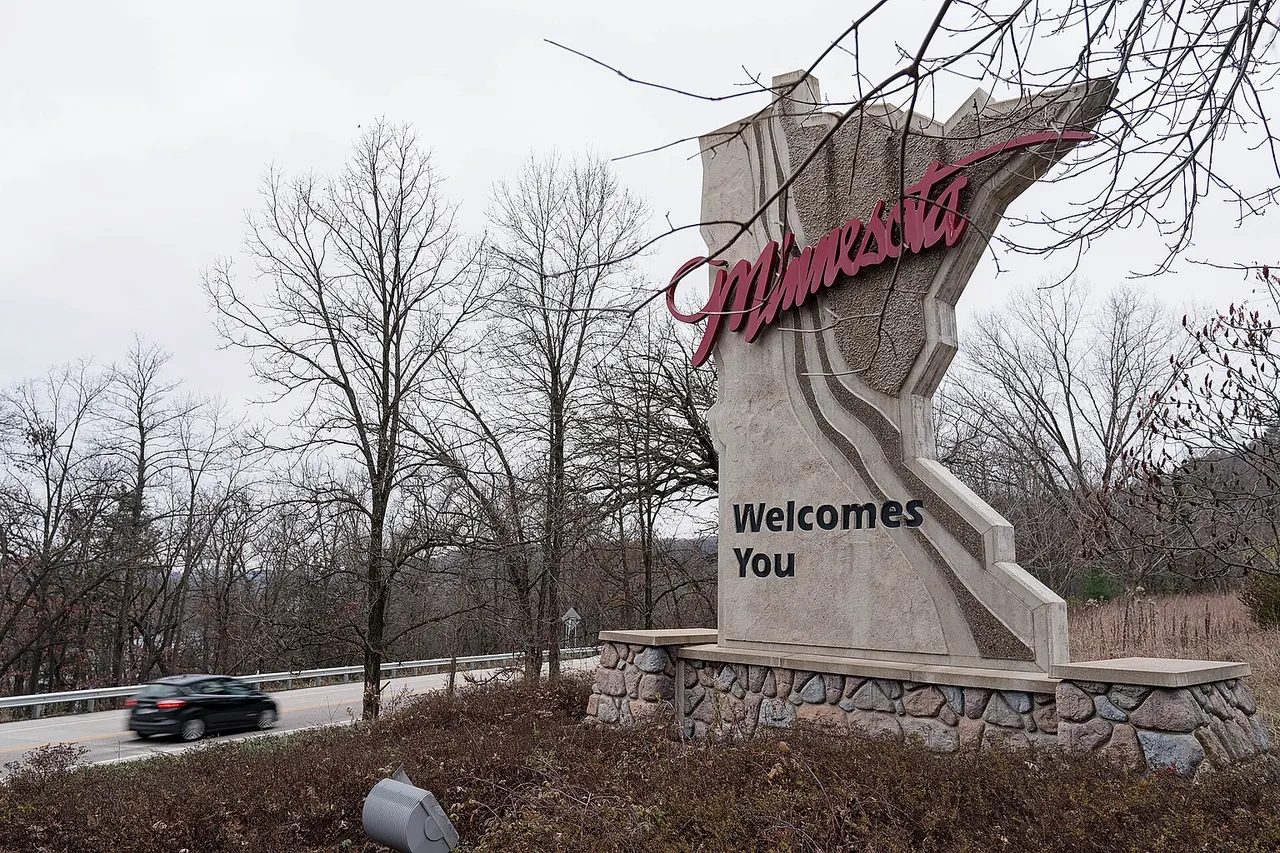

Minnesota voters are casting ballots on Tuesday, August 11, 2026, in primary elections that could reshape the state's political landscape for both Democrats and Republicans.
On the Democratic side, state Lieutenant Governor Peggy Flanagan, a progressive who has served since 2019 and previously in the state House of Representatives, is competing against U.S. Representative Angie Craig for the party's nomination for U.S. Senate. The race is notably influenced by immigration enforcement issues, including a winter surge in which two state residents were killed by immigration agents. Flanagan has criticized Craig for supporting the Laken Riley Act, a federal law mandating detention for undocumented immigrants accused of local crimes, named after a woman murdered in Georgia by an undocumented immigrant.
Craig has highlighted concerns about state fraud as the top issue for Minnesota voters in the upcoming November election, stating to the New York Times that Flanagan’s role as lieutenant governor for the past eight years presents a unique vulnerability in the Senate race.
On the Republican side, Mike Lindell, known for denying election results and as a pillow salesman, holds former President Donald Trump’s endorsement in a three-way contest for the gubernatorial nomination. Republicans face significant challenges in the general election, aiming to unseat Democrat Amy Klobuchar, a U.S. Senator seeking to become governor. Minnesota has not elected a Republican statewide since 2006, when Tim Pawlenty won a second term as governor.
The current governor, Democrat Tim Walz, initially planned to run for a third term but withdrew amid ongoing fraud scandals that threatened to overshadow the race.
Flanagan expressed her approach to governance, saying, “My job, as soon as I get to Washington DC, is to have 99 cups of coffee with people, to build those relationships, to find opportunities for common ground with folks on the other side of the aisle. We may find some unexpected places to work together.”
The outcomes of Tuesday’s primaries will set the stage for the general election contests for the open governor and U.S. Senate seats, signaling potential changes in Minnesota’s top political roles.
Sources
- Guardian US: Minnesota primaries could mark change of path for Democrats and Republicans by Rachel Leingang, August 11, 2026
Loading comments.